Top 5 supplements for football players

Do you spend a lot of time on the pitch, training hard with your team to secure those three points every match? Whether you are a defender, midfielder or striker, a fit and healthy body is the foundation for getting the best out of your game and enjoying every moment on the field. In this article, you will discover our top 5 supplements for football players.
1. Protein
After an intense match or tough training session, you have probably covered plenty of ground, fought through tackles and taken your shots on goal. Your muscles will have worked hard, so it is important to give them the support they need to recover well before your next session.
Protein provides the building blocks your muscles use for this process, making it a key part of a footballer’s diet. Make sure you get enough protein after training or matches, for example from meals with meat, fish, dairy or tofu.
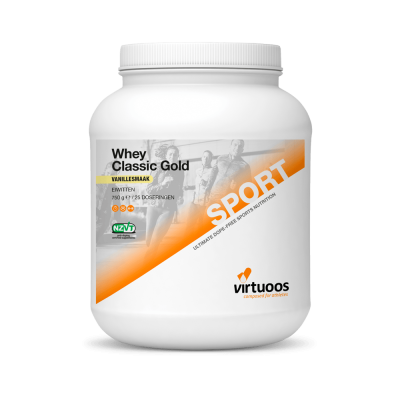
A protein shake can also be a quick and convenient option. Whey protein is absorbed quickly and is ideal after training, while casein protein is digested more slowly and works well before bedtime. Prefer plant-based? Try our Vegan Protein Blend Gold.
Tip: Have you tried our Clear Whey shake? Refreshing and light, perfect after a summer training session or match.
2. Multivitamin
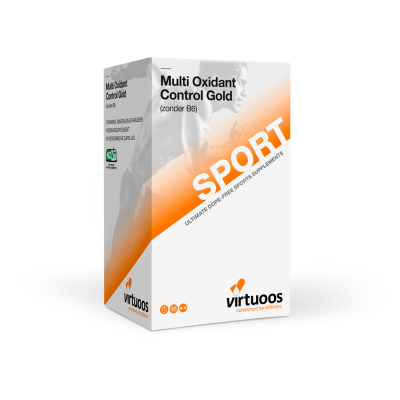
A healthy, varied diet is the foundation for every footballer. By eating vegetables, fruit, whole grains and healthy fats daily, you provide your body with essential nutrients. As an addition to a healthy diet, athletes may choose to take a multivitamin supplement, which contains a mix of vitamins and minerals that support the body in different ways.
For example, vitamin C and zinc help support your immune system, vitamin D contributes to normal muscle function, and vitamins B1, B2 and B12 help release energy from food. Iron supports normal oxygen transport in the body, which is especially important for footballers covering a lot of ground during a match.
3. Omega-3 fatty acids
The omega-3 fatty acids EPA and DHA, when consumed at a daily intake of 250 mg, support normal heart function. DHA also supports normal brain function and vision, functions that football players naturally rely on to read the game and keep an overview of the pitch.
The Health Council advises eating (oily) fish once a week to get enough of these fatty acids. If you do not eat fish regularly, you could consider taking an omega-3 supplement as a complement to your diet.
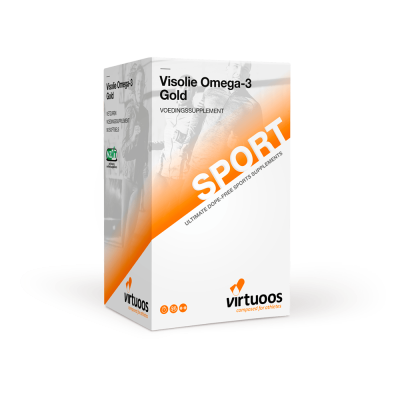
For example, our Fish Oil Omega-3 Gold contains 330 mg EPA and 220 mg DHA per softgel. It also carries the Friend of the Sea label, which stands for sustainable fishing and the protection of marine ecosystems.
4. Creatine
Another interesting supplement for footballers is creatine, something you may already have heard about from teammates or your coach. A daily intake of 3 grams of creatine increases performance in successive bursts of short-term, high-intensity exercise. Think of quick sprints, jumping for headers or physical challenges for the ball.
Creatine can be beneficial for players in almost any position, from attackers who need explosive acceleration to defenders who require strength in physical duels. You can start with a loading phase: take four scoops of 6 grams per day for five days, spread throughout the day. Then switch to a maintenance phase of one scoop (6 grams) per day.
5. Sports Nutrition
Every move on the pitch, from sprinting for the ball to making a quick dribble, uses energy. That is why it is important to start training or matches with well-filled carbohydrate stores.
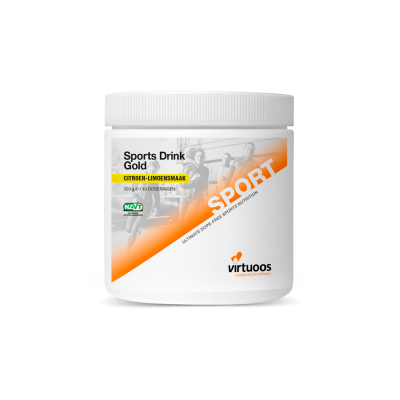
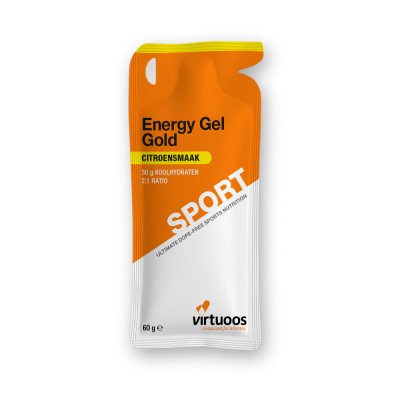
A good pre-match meal sets the base. If you want to boost your carbohydrate intake even further, sports nutrition is ideal. Energy Gels and Sports Drinks are fast-absorbing carbohydrate sources and can be used by your body as fuel during exercise.
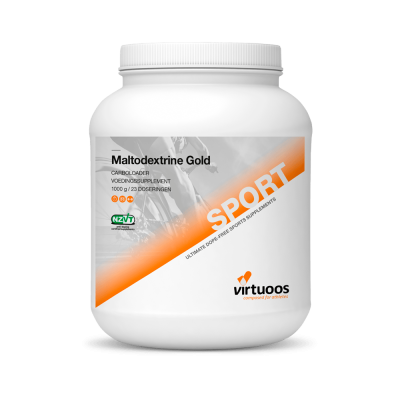
After a match or training session, it is just as important to replenish the carbohydrates you have used. Maltodextrin can be useful here, for example by mixing it into your protein shake to make a complete recovery drink.
Extra tip: Vitamin D for autumn and winter
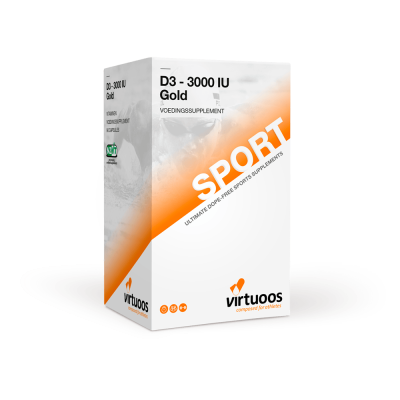
In the winter months, your skin is exposed to less sunlight, which can reduce vitamin D production. From September to April, you might consider a vitamin D supplement to complement your diet.
Vitamin D not only supports the immune system but also contributes to maintaining strong bones and muscles. For those with darker skin tones, the Health Council advises taking vitamin D all year round.
Want to learn more about these and other supplements for footballers and athletes? Discover our full range here.