Tips for staying fit

Who doesn’t want to feel fit? The good news is that supporting your fitness is often easier than you think. It’s not only about regular exercise, but also about getting enough rest, eating a balanced diet and sometimes adding the right supplements. In this blog, you’ll discover how small adjustments in your routine can contribute to feeling fit every single day.
What does fitness really mean?
Fitness is a broad concept. Often, it simply comes down to how you feel and how easily you can carry out your daily activities. For one person, being fit might mean running or cycling without effort, for another it could be doing everyday tasks with ease or playing with their children or grandchildren. Fitness is highly personal and can look different for everyone.
Working on your fitness doesn’t have to be complicated. By focusing on the following basics, you can make real progress.
1. Keep moving
Regular physical activity is one of the key building blocks of fitness. For those who already exercise, this may feel obvious, but it’s still worth paying attention to the balance in your weekly routine. Do you mainly focus on endurance sports, or do you also include strength training? And do you alternate enough between different types of activity?
To provide guidance, the Dutch Health Council has set out the national physical activity guidelines (1):
- At least 150 minutes (2.5 hours) of moderate to vigorous activity each week, spread across several days.
- Strength and bone-strengthening activities twice per week, with older adults adding balance exercises.
- Limit prolonged sitting as much as possible.
In practice, this remains a challenge: in 2024 only 46% of Dutch people over the age of four met these guidelines, while on average we spend more than 9 hours per day sitting (2).
That’s why it makes sense to weave movement into your daily life. Take the stairs instead of the lift, cycle short distances, or schedule regular training sessions. Alternate between endurance and strength training, and most importantly, choose activities you enjoy. That way you’ll find it easier to stick with them and movement will naturally become part of your routine.
2. Make time for recovery
Equally important as movement is giving your body the chance to rest. These moments allow your body to recover from exertion and recharge for the next day. For athletes, this may mean giving rest days the same priority as training sessions.
Recovery goes beyond simply skipping a workout. Think about:
- Sleep: 7–9 hours per night, with a regular sleep rhythm, to allow your body to recover.
- Relaxation: a gentle walk, yoga or simply taking time for yourself to unwind.
- Variation in load: alternating heavy and light training sessions to avoid overuse.
By taking a step back regularly, you’ll keep exercise enjoyable and reduce the risk of injury. Recovery isn’t a luxury, it’s an essential part of staying fit.
3. Nutrition for fitness
Nutrition is your body’s fuel and plays a vital role in how fit you feel. It helps you get through your day and get the most out of your training. The focus should be on a solid foundation: plenty of fruit and vegetables, combined with wholegrains, proteins and healthy fats.
With a varied and balanced diet, you give your body what it needs. Eating and drinking regularly and adequately helps you build a strong foundation, supporting not only your fitness but also your overall health.
While nutrition provides the foundation, supplements can sometimes be a useful addition. You can read more about this in the next section.
4. Supplements that support fitness
A balanced diet, together with enough movement and relaxation, forms the basis of your fitness. On top of that, you can also choose to use supplements. Various vitamins and minerals contribute to fitness.
Multivitamin
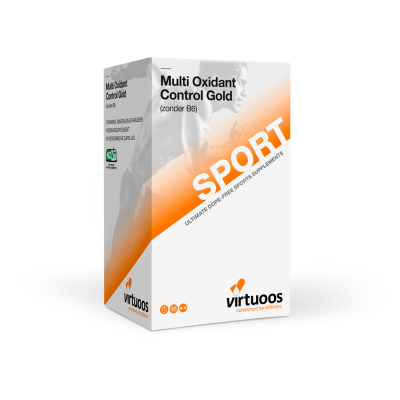
A multivitamin provides a wide range of vitamins and minerals, including nutrients that support fitness such as vitamins B2, B3, B5 and iron. One example is Multi Oxidant Control (without B6). This carefully formulated multivitamin offers a convenient daily addition to a healthy diet.
Magnesium
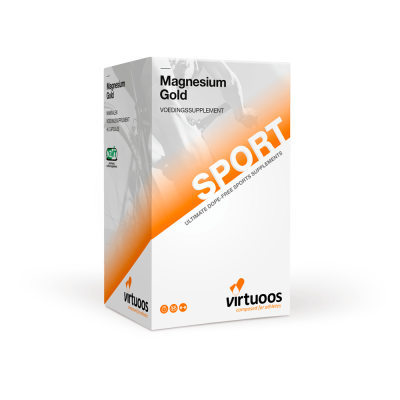
Magnesium is naturally present in foods such as wholegrains, nuts, vegetables, milk and meat. You can also choose a supplement. Magnesium contributes to fitness and helps reduce tiredness and fatigue. Magnesium Gold provides 375 mg of magnesium bisglycinate per serving, a form that is easily absorbed.
Vitamin B12
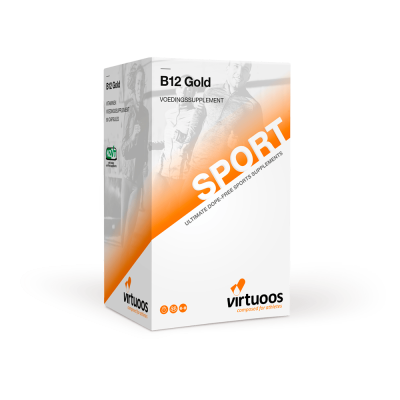
If you follow a vegan diet and therefore consume only plant-based foods, the Dutch Nutrition Centre advises taking a vitamin B12 supplement. Vitamin B12 is only found in animal products. It is one of the vitamins that contributes to fitness and supports energy release when you’re feeling fatigued. Even if you eat vegetarian, it’s worth paying attention to your B12 intake.
Iron
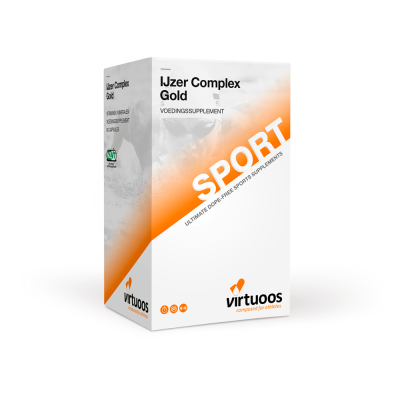
Iron is a mineral that contributes to fitness and plays a role in the normal formation of red blood cells, haemoglobin and oxygen transport in the body. These are key processes, especially if you exercise regularly. Before starting an iron supplement, it’s wise to have a blood test first. This way, you can supplement in a targeted way.
Curious which supplements best fit your routine? Take the supplement test and receive personalised advice within minutes.
Sources:
- Gezondheidsraad. Beweegrichtlijnen 2017. The Hague: Health Council of the Netherlands, 2017; publication no. 2017/08.
- Sport en Bewegen in Cijfers. (2025). Beweegrichtlijnen. Retrieved 1 October 2025, from https://www.sportenbewegenincijfers.nl/kernindicatoren/beweegrichtlijnen