How football players stay fit throughout the cold months – Sports Dietitian Gregory Hirschfeld explains

Gregory Hirschfeld is a sports dietitian and the founder of 818 The Nutrition Agency. His passion for nutrition began during his own football career, after which he worked with several professional clubs. Through 818, he and his team of nutrition experts support athletes and clubs with practical nutrition guidance and coaching to help optimise performance and recovery.
The football season is in full swing, and winter is just around the corner. Cold pitches, short days, and busy schedules take their toll on players. Sports dietitian Gregory Hirschfeld works daily with top-level footballers, helping them perform and recover optimally. In this interview, he explains how nutrition, recovery, and supplements can help players get the most out of themselves during the autumn and winter months.
1. The football season is in full swing, and the colder months are approaching. Which supplements do you recommend for footballers during this period?
“The foundation is always Food First: a balanced diet remains the cornerstone. I only use supplements as an addition, never as a replacement. During the autumn and winter months, the focus is on nutrients that support the immune system, such as vitamin D, zinc, and vitamin C, as well as omega-3 fatty acids.
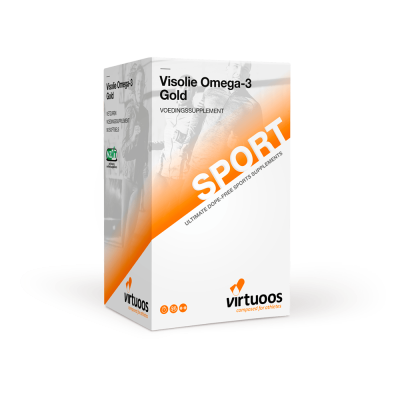
It’s important that we don’t apply this as a standard approach, but always based on blood testing. We routinely monitor vitamin D levels, as they can vary widely between players. When there’s scope for additional support, we use targeted supplementation, for example with D3-3000 IU Gold or Zinc Gold from Virtuoos. These supplements are NZVT-certified and therefore safe for use in elite sport.”
Those who keep training, keep developing, and that’s ultimately what it’s all about.
Gregory Hirschfeld
Sports Dietitian
2. Do you pay extra attention to players’ immune health during this time of year?
“Absolutely, but my focus goes beyond immunity alone. My goal is not just to keep players healthy, but to keep them available to train. Those who keep training, keep developing, and that’s ultimately what it’s all about.
In winter, the body is often more fatigued, and stress levels are higher. The focus then shifts from adaptation to maintenance: ensuring sufficient energy, recovery moments, and immune support through nutrition and, where appropriate, supplementation. This helps players stay fit and resilient throughout this period.”
3. During this time, the schedule is often packed, and players regularly train in cold conditions. Does their energy requirement change as a result?
“Yes, energy requirements usually increase slightly, as the body uses more energy to stay warm and recover. At the same time, it can be difficult in practice to eat enough. Players sometimes have less appetite or face busy school and training schedules.
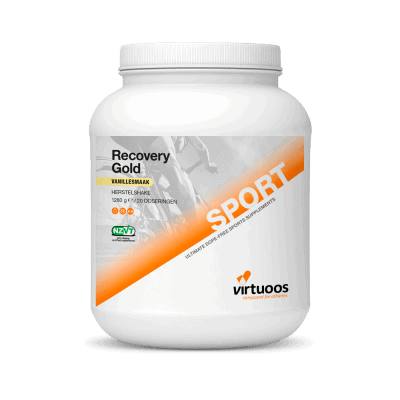
That’s why we use nutritional periodisation: more carbohydrates and recovery foods on heavy days, and more balance on lighter days. Sports nutrition can be useful, such as a recovery shake or isotonic drink, when regular meals aren’t feasible.
In theory, players know this well, but putting it into practice can be the real challenge. We therefore support them with clear routines and simple choices that fit into their daily rhythm.”
It’s not about eating perfectly, but about eating consistently well.
Gregory Hirschfeld
Sports Dietitian
4. Recovery is crucial during a long football season. What do you focus on to help players recover optimally after training or matches?
“Recovery is about timing, hydration, and quality. Consuming something with carbohydrates and protein within an hour after exercise is key. This could be a shake, but also a proper meal. We also pay close attention to sleep, fluid intake, and consistency.
We build structured recovery moments into the training schedule, so recovery behaviour becomes part of the periodisation rather than something added on top. It’s not about eating perfectly, but about eating consistently well.”
5. Finally, what’s your key piece of advice for amateur footballers when it comes to nutrition and supplements during the colder months?
“Make sure you can keep training, that’s the key. Eat on time, recover smartly, and only supplement where necessary. Base supplement choices on measurements or professional advice, not on what you see online.
Products with the NZVT quality mark offer reassurance, but their impact is greatest when the basics are in place. My motto remains: eat colour, eat on time, and recover smartly. And above all, stick with what you know works, especially in winter.”