Roelof Mostert on how endurance sports teach him to push his limits
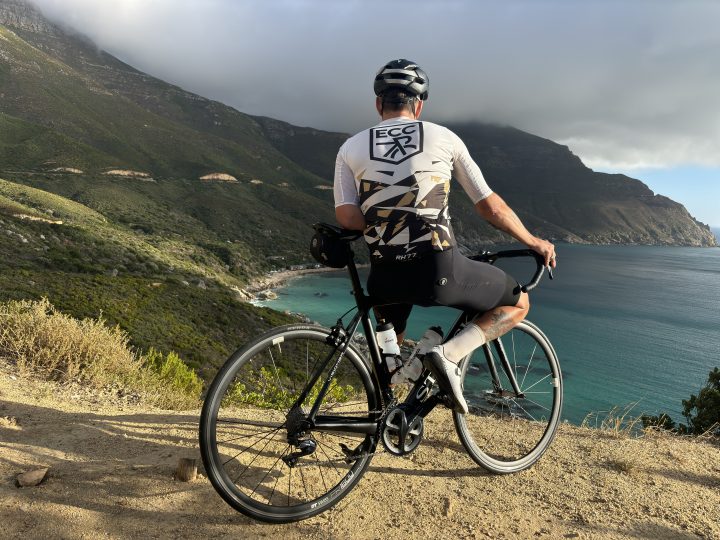
Roelof Mostert’s journey is anything but ordinary. After discovering the world of endurance sports, he quickly became hooked on the process: the daily training, the discipline, and the small wins that add up over time. In this interview, Roelof shares his unique path as an endurance athlete, the lessons he’s learned on and off the trails, and how nutrition and supplementation help him perform at his best.
1. Can you take us back to the moment you first got into endurance sports?
“In the early days, I had no idea that people ran such extreme distances. That changed when I volunteered at the Ultra-Trail Cape Town in 2014. I was responsible for the 50K aid station of the 100K race, and I will never forget the expressions and emotions on the runners’ faces. The blood, sweat, and determination they showed lit a fire in me that still burns today. Just one year later, I was on the podium of the UTCT 65K.”
The process gives me small micro-wins every single day I lace up for a session, and that’s what truly speaks to me.
Roelof Mostert
Ultra runner
2. What is it about endurance sports that really speaks to you?
“I know this is probably the token cliché, but for me it will always be about the process. As athletes, we spend the bulk of our time training and only a small fraction racing. Realistically, I can only race about six big events per year.
The rest of my time is a series of resting, building, and peaking blocks, and within each of those blocks, I also find opportunities to ‘win’. The process gives me small micro‑wins every single day I lace up for a session, and that’s what truly speaks to me.”
3. How do you prepare yourself physically and mentally for such long distances?
“For me, mental preparation is something that develops over time. It takes years of effort and problem-solving to build the mental fortitude required to execute the ‘perfect race.’ People often only see the champion on the top step showering crowds with Moët & Chandon, but the reality behind that moment is far less glamorous. Physically, I focus on three non-negotiables: consistency, discipline, and high standards.”
4. Can you tell us a bit about the journey that brought you to where you are now?
“I was raised in a broken home, and it became apparent fairly early that no one was coming to save me. I was a troubled and rudderless young man, constantly seeking the approval of others, which ultimately led me down the path of substance abuse. Seeing my father drink himself to death was the catalyst for me.
All or nothing – a sentiment woven into the very fabric of who I am, as a person and athlete. Living this way has its challenges, but it can also be tremendously rewarding. The extreme highs and lows condition the mind, compounding over time and allowing for unrivalled mental resilience.
I have waded through some dark waters, including battling alcoholism and extreme PTSD after being shot during a training run in 2019. The recent passing of my mother has added yet another layer to that callous.”
5. How do you make sure you recover properly between training sessions?
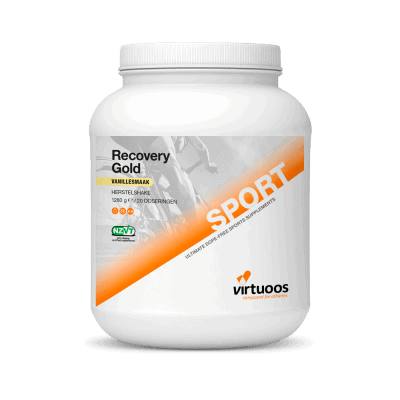
“Recovery is often approached as a short-term fix, almost like a chore. But just like training, proper recovery takes effort and is a continuous practice that is built over time. Supplementation in the form of vitamins and minerals, adequate sleep, a healthy lifestyle, and regular maintenance are some of the modalities that keep me in the game. All of them require a large degree of consistency.”
I think the most reassuring thing I have in my toolbox as an endurance athlete is knowing that I have full control over what goes into my body.
Roelof Mostert
Ultra runner
6. How important is nutrition to you as an endurance athlete?
“Ahh, my favourite topic! Nutrition plays a huge role in what I do, from performance and managing body composition to immune function and even mood. I think the most reassuring thing I have in my toolbox as an endurance athlete is knowing that I have full control over what goes into my body.”
7. What role do supplements play in your routine?
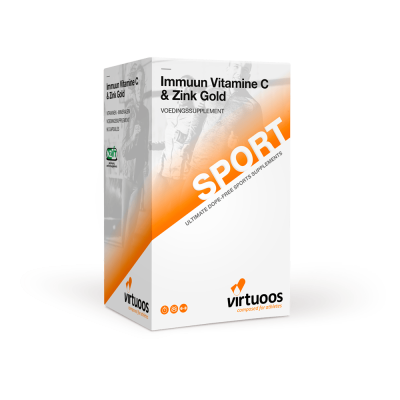
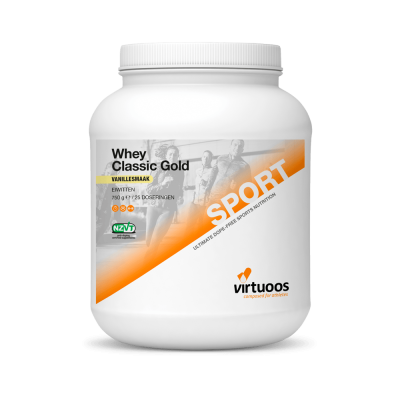
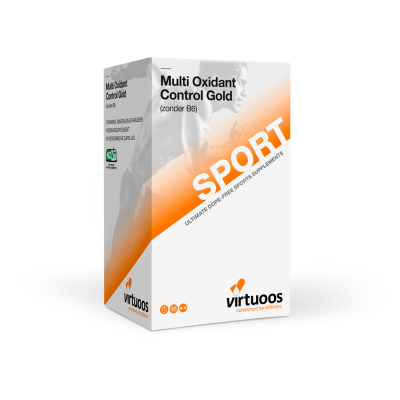
“It think the biggest role supplements play for me is peace of mind. Knowing that I’ve ticked all the boxes from a supplementation standpoint allows me to show up every day with confidence. Confidence in my immune system, confidence in my gut and the confidence to train and race at a very high level. I typically take my supplements after my morning workouts, together with a recovery meal or recovery shake.”
No one else can be held responsible for how we respond to life’s challenges, that responsibility lies solely with us.
Roelof Mostert
Ultra runner
8. What has sport taught you about yourself?
“Sport has taught me to attack each day with alacrity. Being an elite athlete gives you a real edge in a world that can be harsh and unforgiving. Being dependable and of service to others also fills my cup tremendously.
I rediscovered sport as a way to find focus and silence my inner struggles. Being reactive is a natural response, but often one with the least value. Over the years, I’ve learned that being proactive is always the best solution. Personal strife, loss, injury, trauma, I’ve faced them all in a proactive manner. No one else can be held responsible for how we respond to life’s challenges, that responsibility lies solely with us.”
9. What are your goals or dreams for the future?
“I started running at 28, very late in the traditional sense. I feel like I have a short window to do this beautiful thing called sport at a very high level and at full capacity. What I look forward to most is completely redefining what it means to be a 40‑year‑old endurance athlete.
I have some short‑ and medium‑term goals, and they are lofty, believe me. In addition to running, I’m also a capable gravel racer, and I hope to line up for some international bike races in the near future.”
10. What advice would you give to other athletes who are chasing a similar dream or facing a big challenge?
“Don’t ever bend to the status quo. Familiarity and comfort are arguably two of the most destructive forces you can expose yourself to. Instead, lean into challenges and see problem‑solving and even discomfort as privileges and a catalyst for progress and personal growth. And most importantly: always back yourself.”