Staying fit in winter: tips for movement, recovery and nutrition

In winter, it can be harder to stay consistent with training. The days are colder and darker, and your schedule often feels busier than ever. Staying fit during these months is not just about training, but also about maintaining a solid foundation and paying attention to recovery. Below, you’ll find practical tips to help you stay fit throughout the winter.
Staying active during winter
Even if your training routine becomes less structured, you can still maintain your fitness. Skipping a workout every now and then is not a problem. In fact, a quieter period can sometimes benefit your body by giving it the time it needs to properly recover.
There are also plenty of ways to stay active without intense training. Think of going for a walk, an easy bike ride, or a fun activity such as bowling with family or friends. Staying active doesn’t always have to mean high-intensity exercise.
Movement is not the only factor that contributes to your fitness. Relaxation, quality sleep and proper nutrition also play an important role, especially during winter.
Why protein remains important
Nutrition is a key part of that foundation, and protein plays a central role. Especially when you train less frequently or eat less regularly, protein helps support muscle maintenance and recovery after exercise.
On busy winter days, it can be more challenging to get enough protein. Perhaps you have a dinner planned or a day full of commitments. In those situations, paying conscious attention to your protein intake throughout the day can be helpful.
Practical tips for your protein intake in winter:
- Make sure each main meal contains a source of protein, such as dairy, eggs, legumes, fish or meat. This provides structure on days when your routine is less consistent.
- Choose convenient options on busy days. For example, add protein powder to your porridge, have a protein shake on the go, or prepare a protein-rich lunch the day before.
- Spread your protein intake throughout the day rather than consuming it all in one meal. Even if you have a dinner or social event in the evening, it helps not to neglect protein earlier in the day.
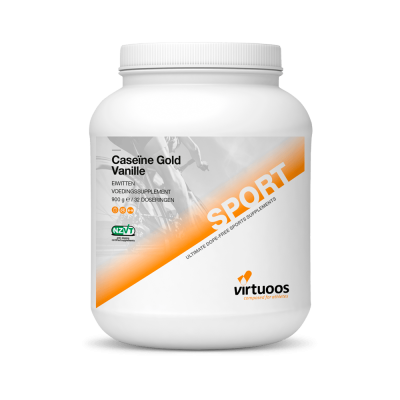
- In the evening, opt for slow-digesting casein protein. For example, have a bowl of quark or a casein protein shake before going to bed.
- Keep it simple. Winter is not about perfection, but about consistency.
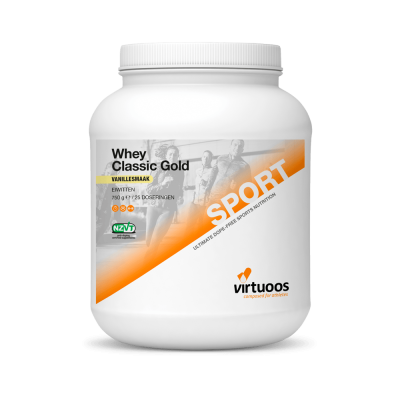
If it’s not always possible to meet your protein needs through food alone, especially on busy winter days, a protein powder can be a practical addition. Discover our protein products here.
Sleeping well in winter
While a cooler and darker bedroom can actually support good sleep in winter, this season also comes with its challenges. Reduced daylight and busy, irregular days, particularly during December, can affect your day–night rhythm. That’s why it’s especially important to pay conscious attention to your sleep during winter.
Helpful sleep tips for winter:
- Get as much daylight as possible during the day, for example by going for a short walk.
- Stick to regular bedtimes and wake-up times where possible, even during busy weeks.
- Create a consistent evening routine, not only on quiet nights at home but also after social activities.
As an addition to a good sleep routine, extra support can be helpful during busy and chaotic winter weeks. ProNite Gold has been specially developed to support sleep. It contains ingredients such as passionflower extract, valerian and hop extract (Humulus lupulus), which help promote restful sleep¹.
Nutrition and Supplements in Winter
Alongside movement and recovery, what you eat plays an important role in how you feel. In winter, the daily routine of many athletes tends to become a bit less structured. Training sessions and meal times are often less consistent than in other seasons. Paying attention to your basic nutrition becomes even more important during this period.
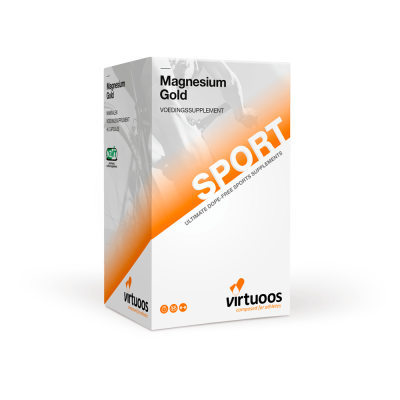
Supplements can be a practical addition to your routine in winter. For example, many people choose vitamin D because there is less sunlight and the body produces less vitamin D naturally. Others focus on immune support with vitamin C and zinc, or opt for a multivitamin or magnesium for daily support.
Staying fit in winter: focus on your foundation
Staying fit in winter doesn’t have to be complicated. By continuing to move in a way that suits you, prioritising recovery and being mindful of your nutrition, you build a strong foundation. During these months, small and achievable choices can already make a big difference. That way, you’ll get through the winter feeling strong and head into spring fit and ready.
¹Health claims pending European approval.