From strategy to success: the role of Dr. Noelia Bonfanti at Unibet Rose Rockets
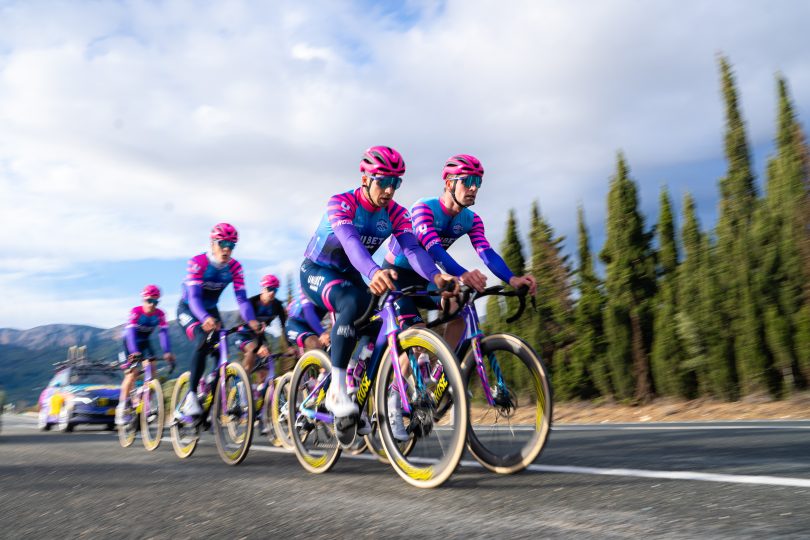
As the nutritionist for Unibet Rose Rockets, Dr. Noelia Bonfanti is at the heart of the team’s rapidly growing ambitions. This season, the team has firmly established itself with strong performances and recent successes—highlighted by its first WorldTour victory at the Ronde van Brugge on March 25. With her scientific background and extensive international experience, Bonfanti plays a key role in optimizing performance, recovery, and overall health, contributing daily to the professional development of a team that is increasingly competing at the highest level of cycling. In this interview, she shares more about her background, her vision on sports nutrition, and her role within the team.
1. Can you tell us a bit about your background? How did you get into sports nutrition?
My background is in Human Nutrition and Dietetics. I studied in Argentina, where I am originally from. Early in my career, I decided to specialize in sports nutrition. After working in Buenos Aires, I moved to Spain, where I completed my PhD in Physical Exercise and Sport Sciences. I am now currently living in Switzerland, where I have my own company. I have always been passionate about performance and athlete health. Before working in professional cycling, I had the opportunity to bring nutritional support to high-performance athletes from a wide range of sports, including endurance disciplines, team sports, and strength-based sports.
I am also currently a lecturer at the Real Madrid Graduate School – Universidad Europea, where I truly enjoy combining academic knowledge with real-world experience to help educate the next generation of sports nutritionists, sport scientists, sports physicians, and physiotherapists. And I am still the lead nutritionist of the Dutch National team of Rowing. In addition, I was a competitive swimmer myself, which gave me first-hand experience of the demands of high-level training, competition pressure, and the importance of building strong daily routines. This personal background, together with my multidisciplinary professional experience, has given me a broad and adaptable perspective.
Today, I aim to bring that vision into professional cycling, helping riders optimize performance, recovery, and long-term health through individualized nutrition strategies.
2. What’s your favorite thing about working with cyclists?
Cyclists are incredibly disciplined and committed athletes. They understand that success is built through consistency, not only in training, but also in nutrition, sleep, and recovery. What I maybe enjoy most is the strategic and planning aspect: fueling for long stages, managing energy availability, and supporting recovery during demanding race blocks. Every rider is different, so creating individualized nutrition strategies is both challenging and rewarding.
3. Unibet Rose Rockets is a team with big ambitions. How do you, as a nutritionist, contribute to that growth?
Nutrition plays a fundamental role in performance development. My contribution is to ensure that riders are optimally fueled for training and racing, that they recover efficiently, and that their health markers remain stable throughout the season.I work closely with coaches, management staff, medical staff, soigneures, trainers, and performance specialists to create integrated strategies. Nutrition education is also a key factor so riders understand why nutrition matters helps them build sustainable routines that support long-term progression.
4. What does a typical nutrition day look like for a cyclist at training camp? What are the standard routines? Are there specific supplements the riders take every day?
A typical day starts with a carbohydrate-rich breakfast adapted to the daily training load. Before training, riders may take additional carbohydrates or caffeine depending on session intensity. During training, fueling is important: carbohydrates, electrolytes, and fluids are consumed regularly to keep the body supplied with energy and hydration. Post-training recovery begins immediately with a low fat recovery shake containing carbohydrates and protein. Lunch, snacks and dinner are balanced meals focusing on glycogen replenishment, muscle repair, essential fats and micronutrient intake.
Daily supplements may include:
- Vitamin D (depending on status)
- Omega-3 fatty acids
- Iron (depending on status)
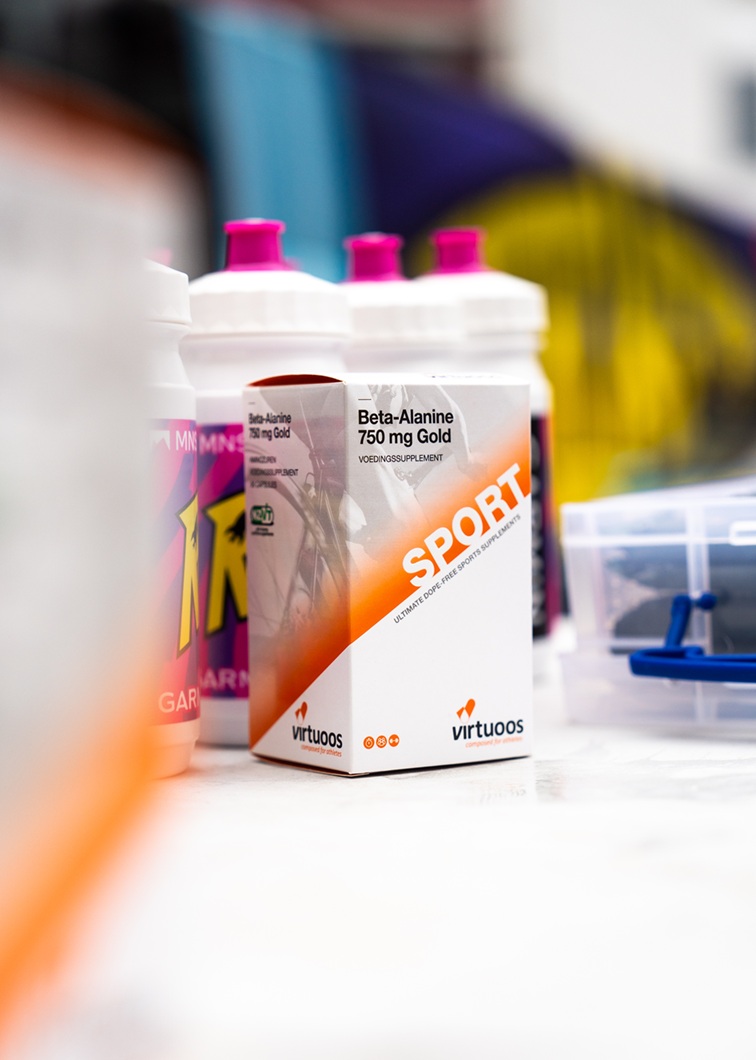
- Beta-alanine during the race season
- Caffeine
- Carbohydrates rich supplements.
- Protein supplements as powder or bars.
5. How do you use supplements within the team?
a. Which supplements are used for the recovery, performance, and general health of the cyclists?
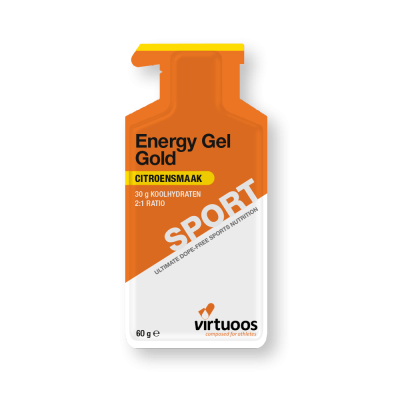
- Carbohydrates gels/drinks/jellies
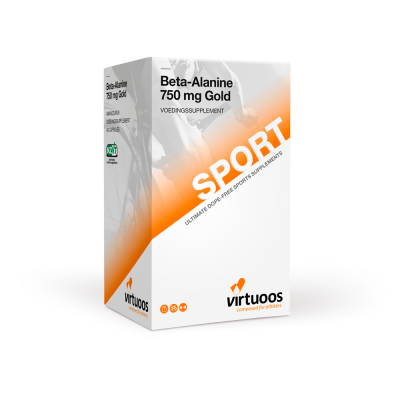
- Beta-alanine
- Creatine in specific cases/scenarios
- Caffeine
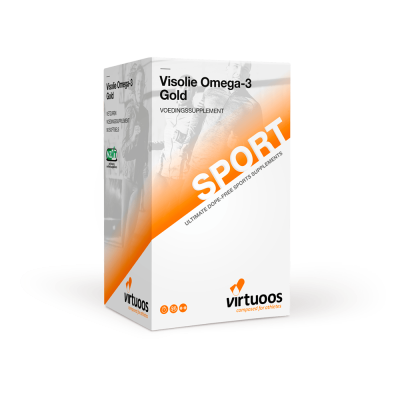
- Omega 3
- Zinc and zinc lozenges
- Probiotics in certain cases
- Iron in certain cases
- Vitamin D
- Folic acid and B12 in certain cases
b. Do you use blood tests or other methods to monitor the nutritional status of the cyclists, and how do you adjust your nutritional and supplement recommendations accordingly?
We regularly use blood tests, body composition assessments, performance data, food diaries, and feedback from the athlete, to monitor nutritional status. Based on these results, strategies can be individualized and adjusted throughout the season.
6. To what extent does Virtuoos’ vision align with your own philosophy?

My philosophy is based on evidence-based supplementation, athlete safety, and performance optimization through the development of strong nutritional habits and consistent routines.
Dr. Noelia Bonfanti
Nutritionist at Unibet Rose Rockets
I always take into account that athletes also need to enjoy food and maintain a positive relationship with nutrition.
Virtuoos’ focus on quality, transparency, and supporting athletes in building sustainable routines align very closely with the way I approach sports nutrition.
Dr. Noelia Bonfanti
Nutritionist at Unibet Rose Rockets
In elite cycling, trust in supplement quality is essential, and working with partners who share this commitment is extremely valuable.
At the highest level, performance is crucial, but health is equally important, if not even more. When we take proper care of the riders’ health, they are able to train consistently, recover more efficiently and ultimately perform at their best throughout the season.
7. Are there specific products that are crucial during certain phases of the season (off-season,build-up, peak periods)?
a. Consider, for example, caffeine, beta-alanine, creatine, or other supplements. How and when are these used? For which type of cyclists are these products most interesting?
Yes, supplementation strategies vary depending on training goals. These products are particularly interesting for sprinters, classics riders, and athletes facing high-intensity race demands, although endurance specialists can also benefit depending on race profile.
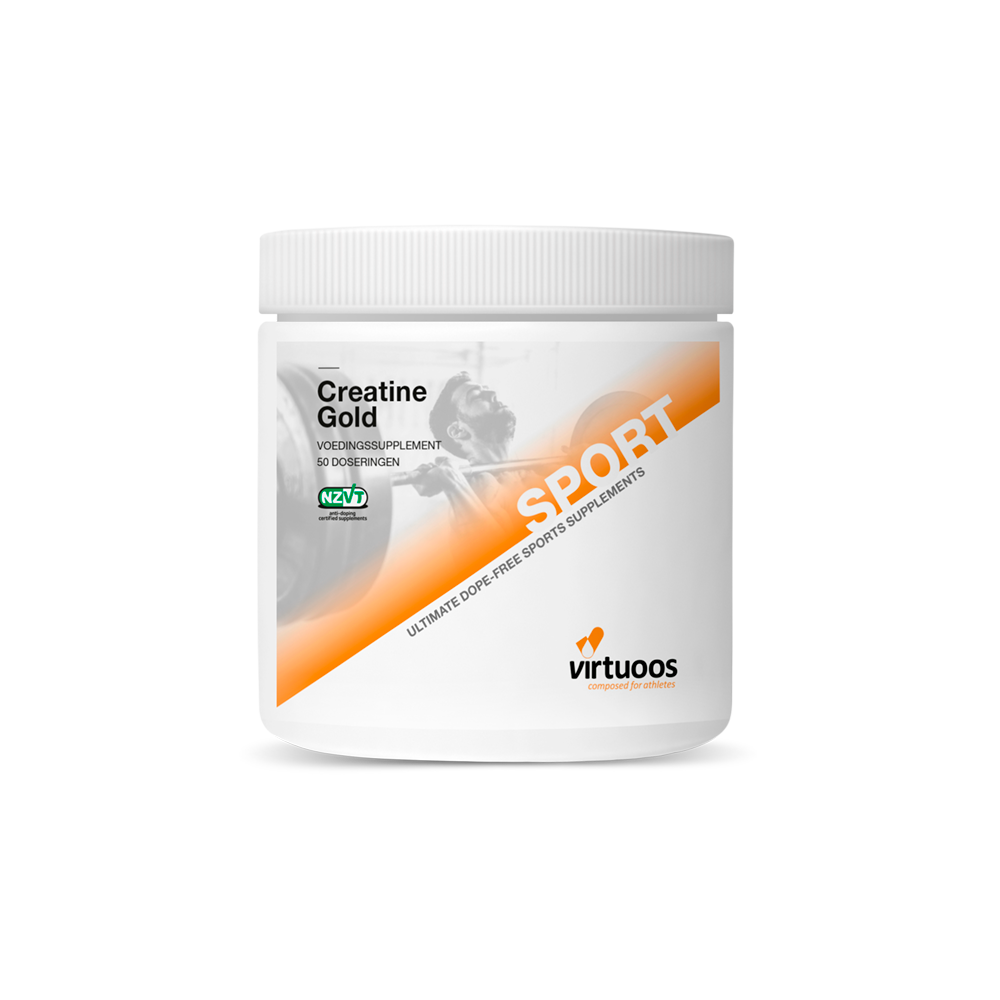
Off-season / strength phase: Creatine can be useful for improving strength and performance during explosive efforts1.
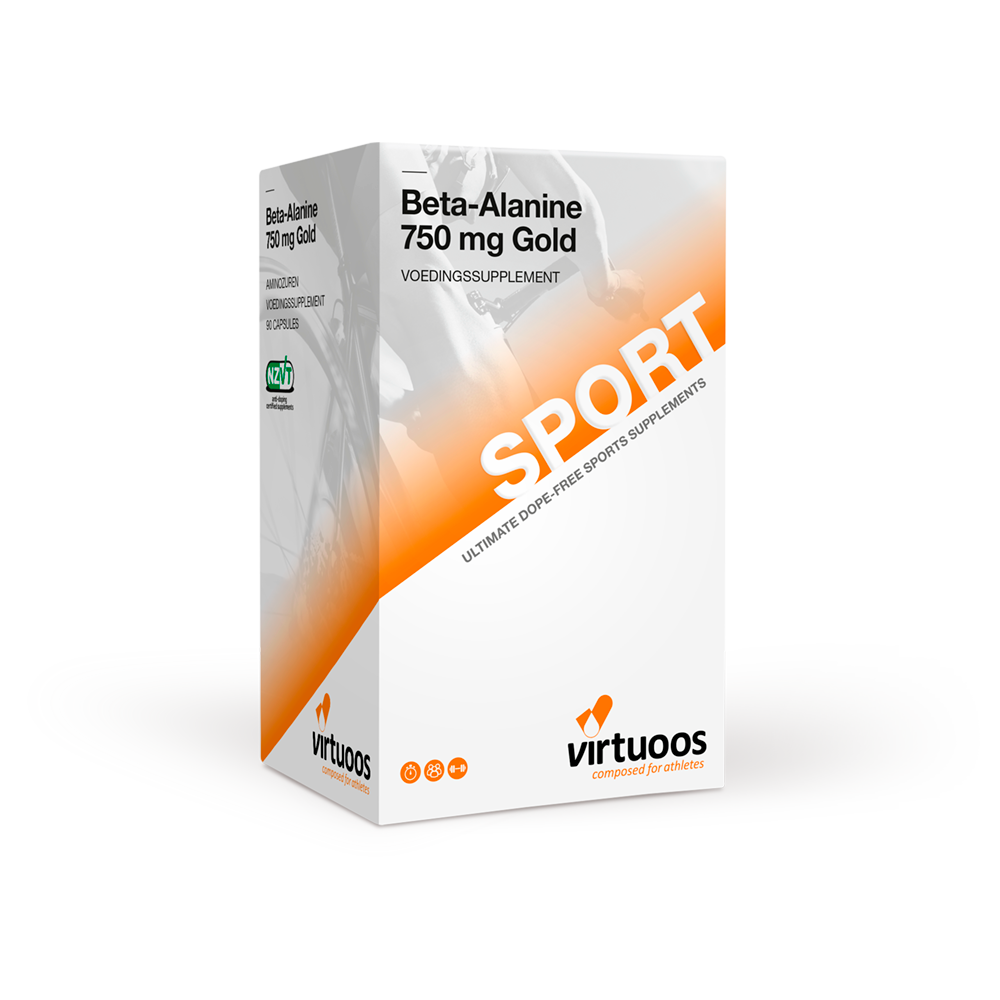
Build-up phase/races: Beta-alanine is used around repeated high-intensity efforts. Caffeine is often used to contribute to an increase in endurance performance2.
8. What is your opinion on the use of nitrate shots (commonly known as beet shots)?
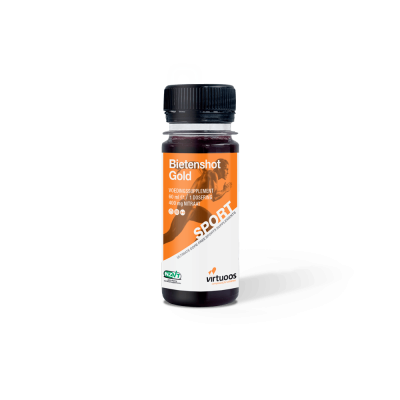
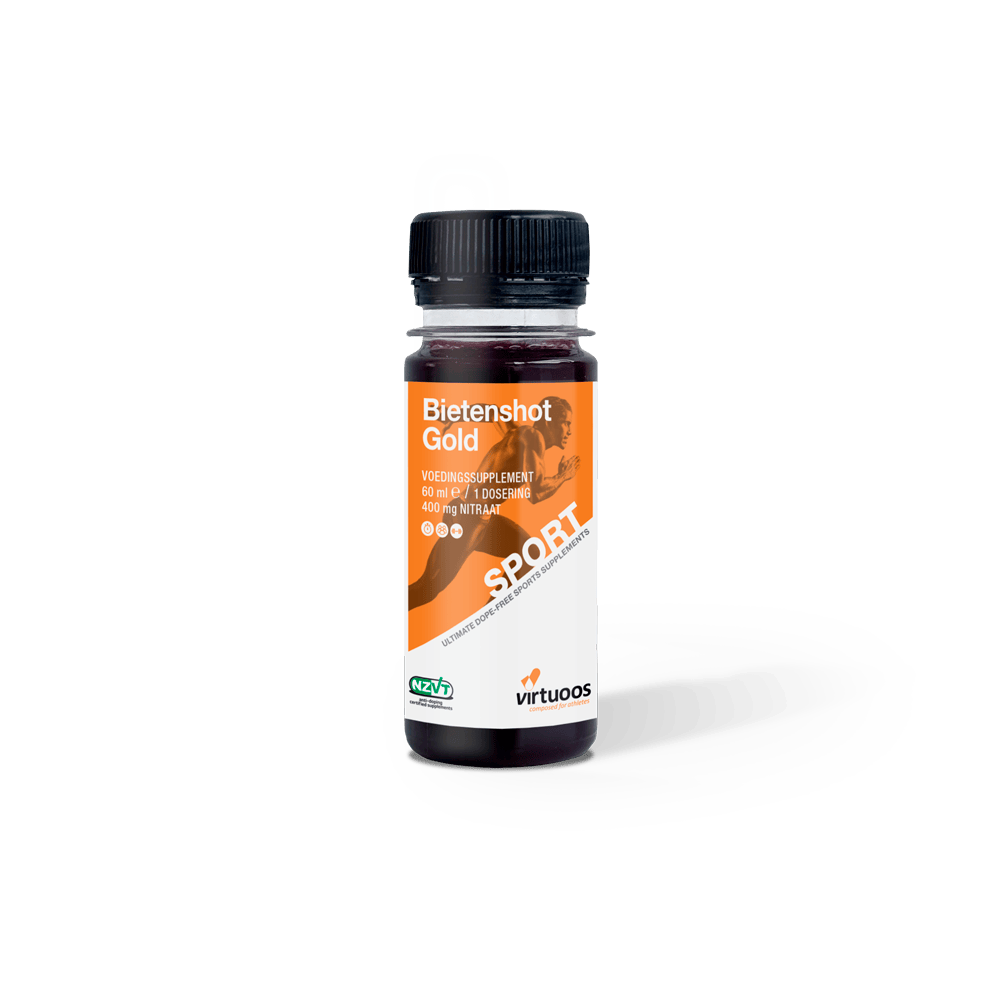
Dietary nitrates, often consumed through beetroot shots, are widely used in the sports world, particularly in endurance sports. In cycling, they are often used ahead of specific efforts, such as time trials, long stages or races at altitude. Timing, dosage and individual response are important, which is why protocols are always personalised.
9. Do you have a favorite recipe that you’d like to share with us?
a. What are the ingredients?
b. How do you prepare it?
c. Why do you think this dish is ideal for athletes?
Yes, one of my favorite recovery options is a very simple and effective recovery shake, which can be widely used in cycling because of its practicality and nutritional value.
Ingrediënts:
- Instant oats
- Low-fat milk or a plant-based drink
- Whey protein or vegan protein powder
- Banana
- Red berries (if available)
Preparation:
It is extremely easy to prepare, all the ingredients are simply blended together until smooth. The quantities can be adapted according to the cyclist’s body weight and energy expenditure.
Why is it ideal for athletes? This shake perfectly meets the “3 Rs” of recovery: Rehydrate, Refuel, and Repair.
It provides a high carbohydrate intake to replenish glycogen stores after exercise, high-quality protein to support muscle repair, and remains low in fat to facilitate digestion and rapid nutrient absorption after training or racing.
As a guideline, I always aim for 1 g of carbohydrate per kilogram of body weight and around 0.3 g of protein per kilogram, which makes this shake a very efficient and practical recovery strategy. It is also easy, delicious, and convenient, key factors for athletes during busy training camps or race schedules.
10. Now that the nice weather is approaching, more and more amateur cyclists are getting on their bikes. What would you recommend?
I think many amateur cyclists underestimate the importance of hydration and carbohydrate intake.
Dr. Noelia Bonfanti
Nutritionist at Unibet Rose Rockets
So let me give you my key recommendations:
- Start rides well hydrated
- Drink regularly, especially in warm conditions
- Consume carbohydrates during rides longer than 60–90 minutes
- Prioritize recovery nutrition after training
Simple habits like carrying carbohydrates rich drinks, gels and snacks, make it easier to keep eating and drinking during your ride and to stay comfortable and enjoy your time on the bike.
1 The beneficial effect is obtained with a daily intake of 3 g of creatine.
2 Health claims are currently pending approval by the European Commission. A beneficial effect is obtained with a minimum intake of 75 mg of caffeine.