Nutrition in an Olympic year: how Team Novus are working towards the Games

For Team Novus, this promises to be a special skating season. It’s an Olympic year, with the team preparing for key peak moments such as the Olympic Qualification Tournament and, ultimately, the Olympic Games.
In a season like this, everything comes down to finding the right balance between training, recovery and staying healthy. Nutrition plays a key role in that. Bo van der Werff, Performance Nutritionist for Team Novus, guides the skaters in this process. We spoke to her about the team’s nutritional approach during an Olympic season, the role of nutrition in the lead-up to peak moments, differences in eating habits between athletes from different countries and of course supplements.
1. It’s a special season, an Olympic year. What does that mean for your nutritional approach within the team?
“It certainly is! We have an exciting season ahead. At the start of the year, the staff and I defined our main focus areas when it comes to nutrition. The most important thing is to keep the athletes fit throughout the entire season so they can peak at the right moments. Naturally, we want to leave as little as possible to chance.
In my view, gut health is one of the most important pillars of overall health and fitness. That’s why we’ve been focusing on optimising and maintaining good gut health both during the summer and throughout the skating season.
The gut microbiome plays an essential role in the link between nutrition, exercise and the immune system. Heavy training sessions affect not only the muscles and cardiovascular system but also the intestinal wall. For athletes, a strong intestinal barrier is crucial: it helps protect against ‘energy leaks’ and ensures food is properly digested and absorbed.
What you eat and how hard you train determine which microbes dominate and ultimately how efficiently nutrients are absorbed. A well-balanced gut microbiome supports immunity and helps reduce the risk of infections.”
We focus on gut health in the long term but switch to very different types of foods and supplements in the days before a key race.
Bo van der Werff
Performance Nutritionist at Team Novus
2. In an Olympic season, everything revolves around peak moments. What role does nutrition play in preparing for those moments?
“In preparation for the biggest races of the season, it’s vital that athletes feel calm and know exactly what to do. Every athlete has their own nutrition strategy that we test beforehand so there are no surprises and they feel in control when the pressure is on.
Generally, we periodise fibre intake around important competitions. The energy stores (glycogen) must be fully topped up, while the digestive system should be under as little strain as possible. Energy should go towards performance, not digestion. That’s why we focus on maintaining gut health in the long term but switch to very different types of foods and supplements in the days before a key race.
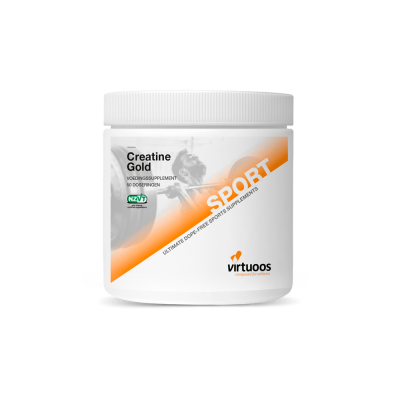
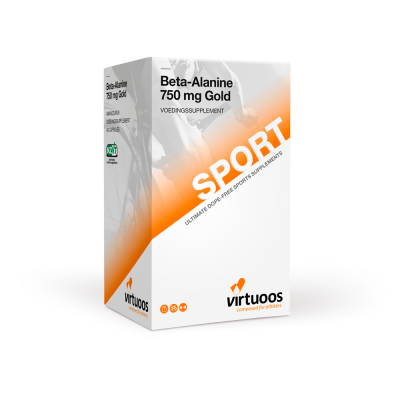
In those final days, easily digestible foods take centre stage, such as white pasta, white rice and fine oats, while fat and vegetable intake are reduced. We also pay more attention to performance-supporting supplements such as (extra) creatine and beta-alanine.
On race day itself, the timing of nutrition and supplementation is crucial. Each athlete has a personalised plan detailing exactly what, when and how much to take.”
3. Are there supplements that receive extra attention during a season like this?
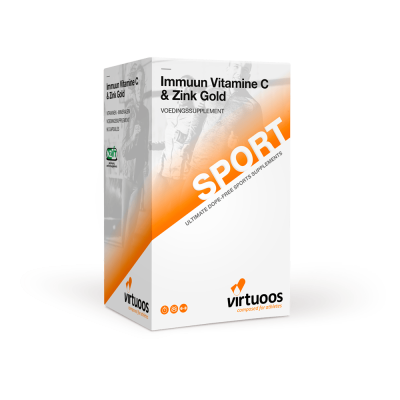
“This season, it’s more important than ever for athletes to stay fit and maintain their immune system. Especially when travelling across continents and time zones, we support immunity with supplements such as Immune Vitamin C & Zinc Gold.
We also monitor the athletes’ iron levels throughout the season to ensure they remain within a healthy range. Iron is an essential micronutrient: it helps with normal oxygen transport in the body and supports energy metabolism.
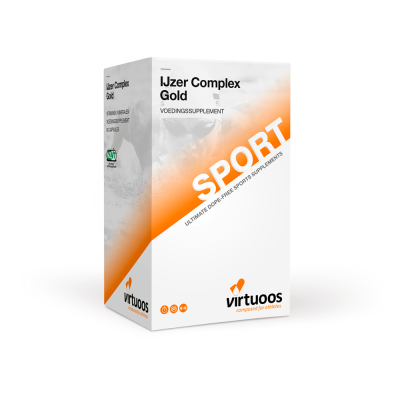
Iron absorption can be tricky as the body uses several cofactors to process it properly. Iron Complex Gold contains iron along with important cofactors, including vitamin C, which helps the body absorb iron, and copper, which supports iron transport. Combined with a balanced gut microbiome, we see that this supplement is well absorbed and well tolerated by the athletes.”
That’s exactly what makes my job so enjoyable, creating an individual plan that really works for each athlete.
Bo van der Werff
Performance Nutritionist at Team Novus
4. You’re an international team. Do you notice differences in how athletes from different countries approach nutrition?
“What stands out is that there are definitely cultural differences in eating habits, preferences and routines. For example, some athletes prefer oatmeal on race day, while others go for pasta. For me, it’s important to take these preferences into account while still ensuring the right choices are made. And that’s exactly what makes my job so enjoyable, creating an individual plan that really works for each athlete.”
5. Looking back over the past few years, what progress has the team made in the area of nutrition and supplements?
“At Team Novus we’ve made great strides in recent years. The athletes have become much more aware of what they eat and how different foods affect their bodies. It’s fantastic to see how much knowledge they’ve gained and how well they now understand their own needs.
A key focus for us has been energy availability, making sure the athletes have enough fuel at the right times to train hard and recover properly. That’s an area where we’ve made real progress. In the past, it could almost seem ‘tough’ to complete a training session on minimal fuel, but now the athletes understand why proper fuelling is so important. The result: higher-quality training sessions and faster recovery.”