How SD Worx – Protime approaches nutrition: insights from nutrition coach Shara Gillow
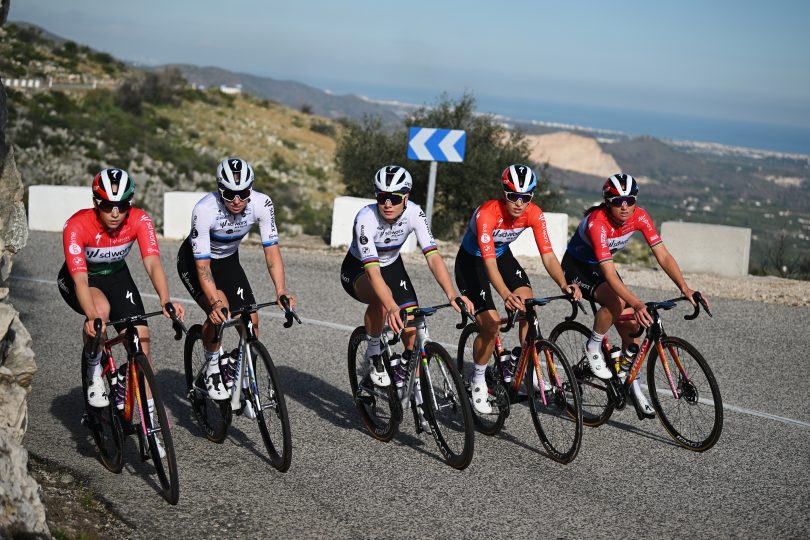
As a former professional rider, Shara Gillow knows better than anyone what it takes to compete at the highest level. These days, she’s the nutrition coach for SD Worx – Protime, one of the most successful women’s teams in the pro peloton. We spoke with Shara about her role within the team, how she supports the riders during training and racing, the role of supplements, and the key developments she’s seen in the world of sports nutrition over the past few years. Curious how nutrition can make the difference in the pro peloton? Shara shares her insights.
1. What exactly does your role as a nutrition coach at SD Worx – Protime involve?
“As the team’s nutrition coach, I oversee the overall nutrition strategy for all riders. I work more closely with some of the riders when they need a bit of extra support. I also coordinate with the performance staff, as nutrition and training are closely linked. If you don’t feel well or aren’t eating properly, it directly affects your training. Without the right nutrition, you can’t get the most out of your sessions.
In addition to shaping the overall nutrition plan, I develop recipes and calculate nutritional values for the riders. At the moment, I’m the only nutritionist on the team, supporting a group of 18 to 19 athletes. When I started nearly 5 years ago, there were just 10 to 12.”
2. Do you also travel with the team to training camps?
“Yes, I’m often present at training camps during December, January, and February. These are key preparation periods for the season.
It’s especially valuable when new riders join the team. At camp, we can sit down together in person for one-on-one conversations, get to know each other better, and discuss their individual nutrition needs.
Usually, I’ve already spoken with them via video calls in the weeks or months leading up to camp, but having those in-person meetings is always more effective. It really helps to align everything and start the season off strong.” When working with the riders you need to build up respect and trust. As a former rider I know it’s not going to work without these principles.
Logging every single drink or spoon of honey or peanut butter can become mentally draining.
Shara Gillow
Nutrition coach at SD Worx – Protime
3. Do you use an app to track nutrition?
“At the moment, we don’t use one specific app across the whole team. We’re currently testing a few different options, but we haven’t committed to an official partnership or sponsorship with any particular app yet. Personally, I would find it helpful if we eventually settled on one reliable app, as it would give me a clearer overview of each rider’s nutrition. Until recently, I did all the calculations myself, which was very time-consuming.
Not all apps work equally well. Some have limited databases or don’t include specific products, which means riders have to enter foods manually. That takes extra time, and not everyone likes having to log every detail.
That’s why we only use nutrition tracking during specific periods. For example, in the lead-up to a key race like the Giro d’Italia or Tour de France, or when the riders are at altitude camp. At those times, it helps us focus on specific goals like maintaining weight or preserving muscle mass.
But we never track year-round. Logging every single drink or spoon of honey or peanut butter can become mentally draining. Over time, you risk losing touch with your own body and hunger cues. That’s why we choose to track only in short phases, a few weeks at a time. Every rider is different, so it’s important to take an individual approach.”
4. Do you also use your own recipes within the team?
“Yes, we have an internal recipe database for the team, which currently includes around 50 different meals. These range from dishes the riders can prepare at home to meals we cook for them after races.
We use an app to store all the recipes in an organized way, giving the riders easy access to everything. Almost all recipes include nutritional values per portion, the amount of protein, fat, and carbohydrates, so the riders know exactly what they’re consuming. Of course, each recipe also includes preparation steps and a list of ingredients, so they can make it themselves if they’d like.”
5. Do the riders have favorite recipes?
“Yes, definitely. Poké bowls are very popular within the team and are always a hit. Before a race, some riders choose to add extra white rice to ensure they get enough carbohydrates. Bircher muesli, also known as overnight oats, is another favorite.”
Many riders in general simply eat and drink too little during rides, and that has a direct impact on performance.
Shara Gillow
Nutrition coach at SD Worx – Protime
6. What do you think is the most underestimated aspect of nutrition for the riders?
“Even though our riders are all very professional, nutrition is something you can always keep learning about, regardless of age or experience. Sometimes it’s necessary to go back to the basics or help someone get back on track.
In my opinion, the most underestimated aspect is fueling on the bike. And I see this not just in women’s cycling, but among men too. Many riders simply eat and drink too little during rides, and that has a direct impact on performance. If you don’t take in enough carbohydrates or fluids during training or racing, your energy levels drop and you can’t perform at your best. This is often an area where there’s still a lot to gain.”
7. How do you guide the riders in fueling properly during training and races?
“It depends. You obviously need much less energy for a light recovery ride than for an intense race. It also depends on what’s on the schedule the day before and the day after.
What’s really important is that we train the gut. We do this intentionally outside the race season, because there’s no room for experimentation during races. In training, we build it up gradually, so riders know exactly what works for them and how many carbohydrates they can handle.
Everyone is different. Some riders can tolerate up to 120 grams of carbs per hour, while others are around 60 grams. There’s no ‘magic number’, it’s individual. And one race is not the same as another. You use less energy on a flat stage than when you’re climbing a lot or the pace is high. That’s why it’s so important to train and fine-tune this in advance.”
8. Have you noticed that nutrition has become more important in cycling in recent years?
“Absolutely. More and more people are realizing that nutrition has been underestimated for a long time. And when you feel good, you perform better, it’s as simple as that. In cycling, it’s all about marginal gains these days: small improvements that together make a big difference. Nutrition plays an increasingly important role in that.”
9. What do you think has been the most important development in sports nutrition in recent years?
“For me, it’s the strategic planning of what athletes eat, before, during, and immediately after training or racing. That’s something we really focus on within our team. We don’t ask riders to track everything all year long, but we do pay close attention during key periods. And within those periods, we look very carefully at what someone needs and when.
This applies not only to pros but also to amateur athletes. If your nutrition is well-timed around your training, what you eat before, during, and after, it can make a big difference. That’s an area where we’ve seen a lot of progress in cycling over the past few years.
More and more people are starting to understand how important nutrition is. A few years ago, eating on the bike was still seen as a sign of weakness. If you didn’t eat, you were considered ‘strong.’ Fortunately, that mindset is shifting. Your performance is simply better when your nutrition is in order.”
If you’re riding your bike nearly every day, targeted supplementation can definitely be a valuable addition, provided it’s well-timed and suited to the person.
Shara Gillow
Nutrition coach at SD Worx – Protime
10. Do you work with personalized supplement plans for each rider?
““When it comes to supplements, we follow clear guidelines within the team, with a strong focus on performance and recovery. I deliberately call them guidelines rather than protocols. The riders are professional and motivated enough to take responsibility themselves, so we mainly provide a framework within which they can make informed choices. Around altitude camps, there are some additional points of attention.
Iron is one important supplement, especially for female athletes. We also pay close attention to vitamin D, particularly during the winter months. This vitamin supports the immune system and is important for normal muscle function.
We also look at blood values to provide tailored advice when needed. Sometimes we recommend short-term supplementation with nutrients like vitamin C or zinc, especially after an intense training block.
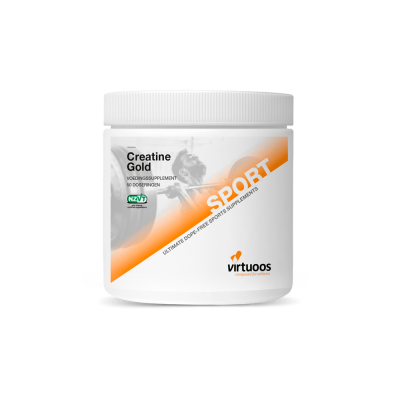
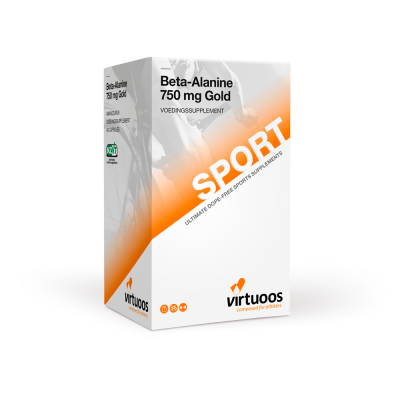
Some riders also use creatine, particularly during strength training blocks in the pre-season. It’s not for everyone, but some really benefit from it. A daily dose of 3 grams of creatine helps support muscle strength and improve performance during explosive efforts. We also occasionally use beta-alanine around key races.
We always tailor supplementation to the individual’s needs. A healthy, varied diet is the foundation. But if you’re riding your bike nearly every day, targeted supplementation can definitely be a valuable addition, provided it’s well-timed and suited to the person.”
11. What is your opinion on the use of sodium bicarbonate?
For me, sodium bicarbonate really falls into the category of ‘marginal gains’. If a rider doesn’t yet have their nutrition in order, is not hydrating properly, or isn’t getting enough carbohydrates during races, then I don’t recommend using this supplement. First, the basics need to be right: foundational nutrition, hydration, and carbohydrate intake on the bike. Only then can sodium bicarbonate be a valuable addition, the cherry on the top.
It’s also a very personal supplement. Most of our riders now use it, especially during the Classics. But some experience side effects, like heavy legs or slight water retention. That’s why it’s important to test it thoroughly in advance and tailor its use to the type of stage. It might be a good option for a flat stage, but for a hard mountain day, we sometimes adjust the dosage or choose to skip it entirely.
We usually only see negative effects when the basics aren’t in place. If everything is well aligned, sodium bicarbonate works really well for most riders. But it definitely requires an individual and carefully managed approach.”
12. When do the riders take their supplements, such as a multivitamin or iron?
“That varies per rider, but we do follow clear guidelines. Supplements like a multivitamin, vitamin C, or zinc are usually taken in the morning, especially during periods of increased training load or frequent travel. For example, when a rider has just returned from an altitude camp or an intense training block.
Iron is usually taken in the evening, particularly during altitude camps. In the past, it was often taken on an empty stomach in the morning, but that caused stomach discomfort for some riders. Recent research also suggests that iron is better absorbed in the evening, especially when it’s not combined with caffeine or dairy. Magnesium is also often taken in the evening, particularly after a race day.
We always tailor the timing of supplements to the situation, training schedule, and individual needs. A healthy and varied diet remains the foundation, but during periods of heavy training or frequent travel, supplements can be a valuable addition, if timed correctly.”
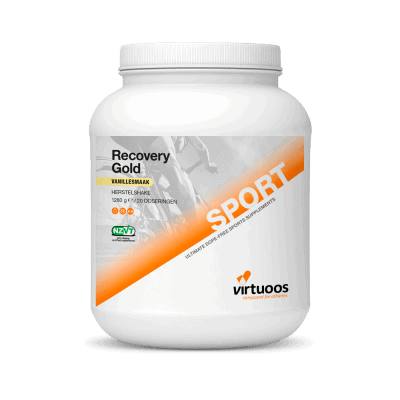
Immediately after the finish, they have a recovery shake with protein and carbohydrates, ideally right after crossing the line, even before showering or speaking to the media.
Shara Gillow
Nutrition coach at SD Worx – Protime
13. What does a typical nutrition day look like during a multi-day stage race?
“On race days, the riders start with a breakfast that’s high in carbohydrates, low in fat and fiber, and includes a small amount of protein. They usually eat this about 3.5 hours before the start. If the stage begins later in the day, there’s often an additional light pre-race meal. Especially for time trials, that meal is very simple, such as white rice or white bread, sometimes with a bit of egg or some oats, depending on what the rider tolerates best.
From the moment they wake up, the riders also focus on hydration. They continue drinking regularly right up until the start. Around an hour before the race, some take a sports gel with caffeine. During the race, the priority is to consume at least 90 grams of carbohydrates per hour, depending on the intensity and profile of the stage.
Immediately after the finish, they have a recovery shake with protein and carbohydrates, ideally right after crossing the line, even before showering or speaking to the media. As soon as possible, this is followed by a recovery meal with around 70 grams of carbohydrates. This meal can be sweet or savory, depending on the rider’s preference.
We’re very intentional about these nutrition moments before, during, and after the race. Especially during stage races, this is crucial. By refueling properly and promptly, riders support recovery and help prepare their bodies for the next day.”