From world title to records: Marrit Steenbergen on her routines and achievements
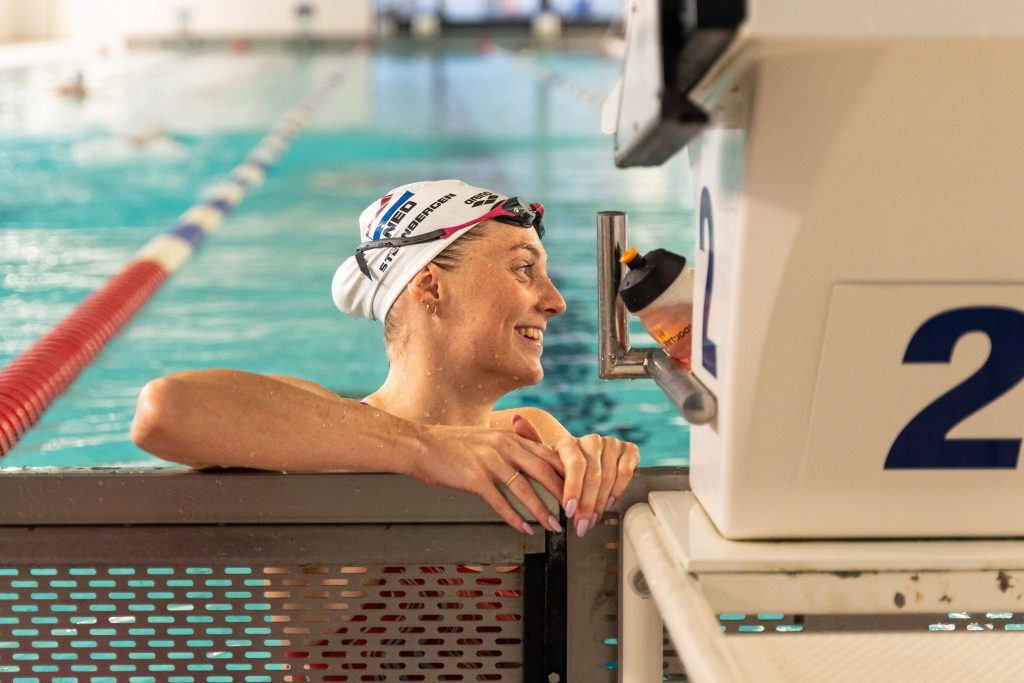
Marrit Steenbergen ranks among the world’s elite swimmers and continues to push her own boundaries. With world titles and a world record in the 100-meter freestyle, she has delivered some truly impressive performances. But what does it take to compete at the highest level of swimming? We talk to Marrit about her development as a swimmer, her daily routines, nutrition and supplements, and how she prepares for competitions and manages her recovery.
1. How are things going for you at the moment, both in and out of the pool? You’ve mentioned before that you sometimes put a lot of pressure on yourself. How do you ensure that you keep enjoying swimming while continuing to grow as an elite athlete?
Things are actually going very well right now, both in and out of the pool. My swimming is going smoothly, and I’m very happy with the performances I’ve delivered this year. I still truly enjoy swimming and remain motivated to keep improving. Furthermore, I’ve recently started working 8 hours a week at BrabantSport. I appreciate having something outside of swimming where I can develop myself in a different way. This variety ensures that my life doesn’t revolve solely around swimming, and it provides me with fresh energy beyond the pool. I believe this is precisely what helps me keep enjoying the sport and allows me to continue working toward my goals with both pleasure and motivation.
2. What does an average training day look like for you? How do you balance your swim sessions with strength training, nutrition, and rest. And which routines have become indispensable to you?
My training week is quite varied. On Mondays and Fridays, I start the day with strength training and swim in the afternoon; on Wednesdays, I only do strength training. Tuesdays and Thursdays consist of two swim sessions per day, and on Saturdays, I have one swim session. In total, that comes to 7 swim sessions and 3 strength training sessions.
Between training sessions, I try to eat well as soon as possible so that my body gets enough energy and nutrients to recover and prepare for the next workout. After that, I focus on getting as much rest as I can. I even take an afternoon nap quite often.
Tuesdays and Thursdays are my toughest days, as I’m in the water twice. It has become a firm routine for me to keep my schedule as clear as possible on those days. I mainly focus on getting good sleep and resting. I’ve learned that recovery is at least as important as the training itself, and that I need to be intentional about making time for it.
3. You previously mentioned that after a race, you do a cool-down swim as soon as possible, have a protein shake, and try to get some sleep between sessions. Are these still standard parts of your recovery routine, or have you made any adjustments over the past few years?
I actually still do exactly the same thing! On race days, everything is focused on recovering as effectively as possible and preparing for the next race.
After a race, often while doing my cool-down swim, I have a protein shake and something containing carbohydrates to replenish my body.
Marrit Steenbergen
Professional swimmer
After that, I head back to the hotel or home, have lunch, and try to get some sleep. That doesn’t always go perfectly, as the tension and adrenaline can still be quite high after a race. Even so, I always try to make that a period of rest. Not much has really changed in this routine over the last few years. It works well for me and provides a sense of structure on race days, when everything revolves around performing at my best and recovering effectively.
4. What role do nutrition and supplements play in your daily routine? Which products do you currently use, and at what points during your training day do you incorporate them?
Nutrition and supplements play a major role in my daily routine. I have developed a fairly consistent eating pattern that I try to stick to as closely as possible. Especially during intense training weeks, I sometimes find it difficult to consume enough, which makes the structured rhythm I’ve created for myself all the more important. Proper nutrition is, of course, essential for performing well in my training sessions and ensuring adequate recovery.
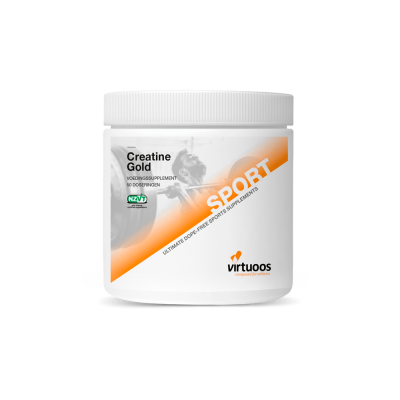
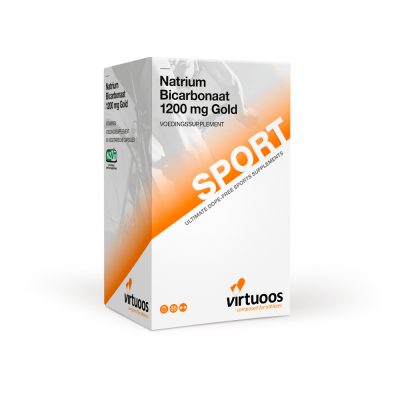
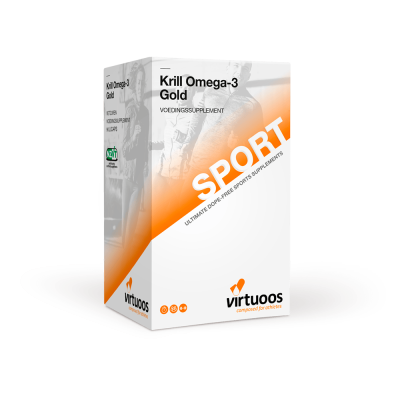
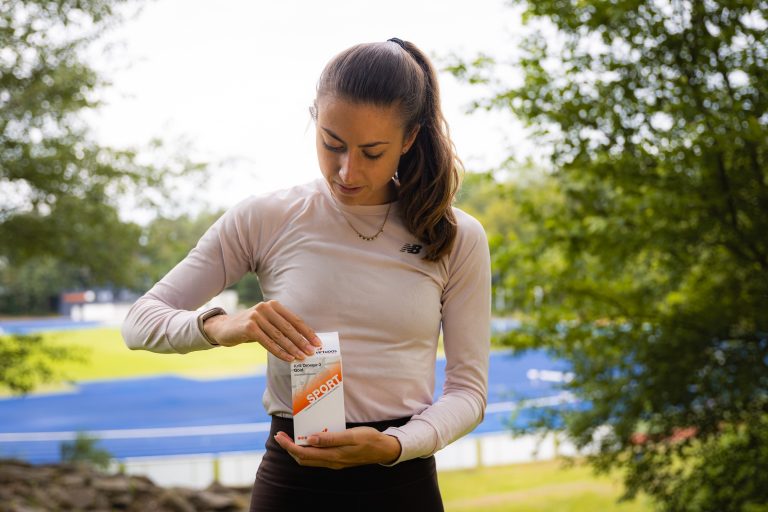
I always take my supplements in the morning after breakfast. This has become a set routine, so I almost never forget them. Currently, I use omega-3, vitamin D, creatine, and beta-alanine. During competition weeks and when traveling, I also add vitamin C and zinc. For major competitions, I additionally use sodium bicarbonate.
Do you have one favorite product that has been a staple in your routine for years? Why this particular product?
Actually, all the supplements I currently use have been part of my routine for years, so it’s quite difficult to pick just one favorite. Since I don’t eat fish, I find it important to ensure I get enough omega-3. Vitamin D supplementation is also important to me, especially during the winter months, to keep my levels topped up. I use creatine because I focus a lot on strength development, and I find sodium bicarbonate particularly helpful around the time of important competitions. It really just depends on what my current focus happens to be. They have all become a permanent fixture in my routine!
Omega-3 fatty acids from fish: why they matter
5. What does your routine look like on a race day? Think about your pre-race nutrition, your warm-up, your mental preparation, and what you do between races to get ready for the next start.
On a race day, I actually follow a fairly set routine. I wake up, pack my bag, have breakfast, and take my supplements. Then, I head to the pool. I usually arrive about two hours before my race, which gives me plenty of time to go through my preparation at a relaxed pace.
My preparation consists of several fixed steps: I start with dryland training, visit the physiotherapist, and then head into the water for a warm-up swim. Afterward, I change into my racing suit. Back on dry land, I perform some activation exercises to get my body fully primed for the race. About 15 minutes before the start, I head to the pre-start area.
Following the race, I go through the steps mentioned earlier, and then, in the afternoon, the whole process begins again for the final!
6. After breaking the world record in the 100-meter freestyle, you’ve shown that there is always room for further progress. How do you look ahead to the coming period? What dreams, goals, or ambitions do you still have, both as a swimmer and beyond the pool?
I’m really looking forward to the time ahead! I feel that there are still great strides to be made and plenty of room for further personal development. In the new year, I want to focus primarily on becoming stronger and faster, and on discovering where my limits lie.
My main goal is to swim faster than I ever have before, not just in the 100-meter freestyle, but across other distances as well.
Marrit Steenbergen
Professional swimmer
I’m very curious to see what else is possible, and training for that every single day gives me a great deal of energy.
Furthermore, I believe it’s important to keep developing myself outside of swimming. My work with BrabantSport is a wonderful step in that direction. I value having other interests and challenges alongside my sports career, and I definitely intend to continue growing in those areas over the coming years.
7. You are among the world’s elite swimmers, which also means that many young swimmers look up to you. What would you like to tell them?
What I would especially like to convey to young swimmers is that they should keep finding joy in swimming, as well as in life outside the pool. Ultimately, you really need to enjoy what you are doing. There will be plenty of moments when things don’t go smoothly, or when you might not be making the progress you’d like. That’s just part of the process.