Proteins: Frequently Asked Questions
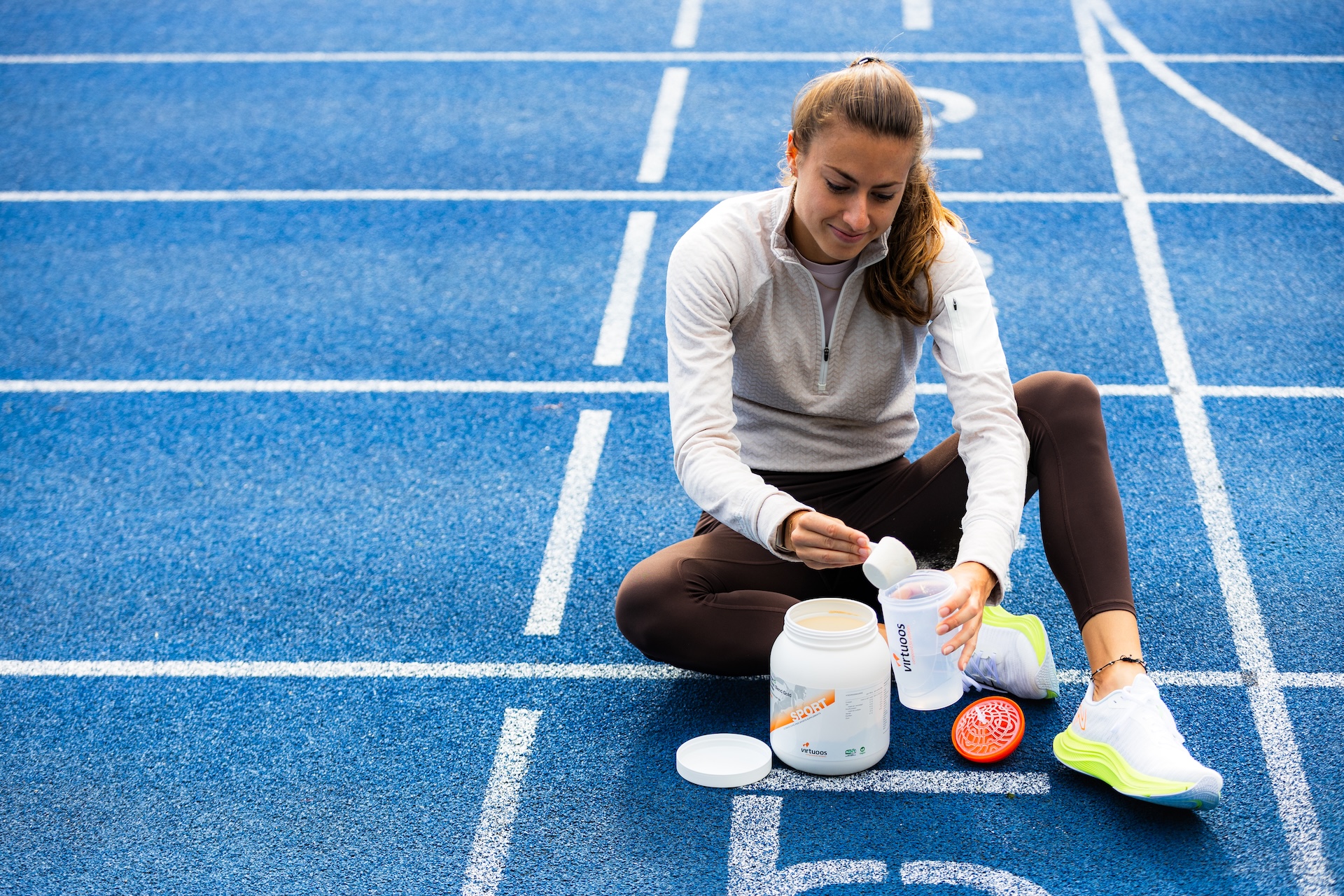
Proteins are a hot topic among athletes. If you exercise regularly, you probably already know that this macronutrient plays a crucial role in muscle recovery and growth. But you may still have some unanswered questions about this important building block. Below, we answer the most frequently asked questions about protein.
Why are proteins important when you exercise regularly?
Let’s start with the most important question. Why are proteins such an important nutrient when you exercise regularly?
When you challenge your body during exercise, small tears occur in your muscles. Proteins provide the amino acids needed for muscle recovery and growth after exercise. In this way, protein helps you get the most out of your training.
For masters athletes, paying attention to protein intake is particularly important. As you get older, you naturally start to lose muscle mass. This process becomes more noticeable from around the age of 45.
How much protein do you need as an athlete?
The optimal amount of protein varies from athlete to athlete. How much protein you need depends on the type of sport you do and your personal goals.
For endurance athletes, the recommendation is to consume 1.4–1.6 grams of protein per kg of body weight per day. For strength athletes, this is higher at 1.6–2.0 grams of protein per kg of body weight per day. For maximum muscle growth, protein intake can be as high as 2.2 grams per kg of body weight per day.
What are good sources of protein?
Although protein is present to some extent in almost all foods, some foods naturally contain particularly high amounts of protein. Examples include meat, fish, quark, milk, legumes, nuts and seeds.
Adding these protein-rich foods to your daily diet can help increase your protein intake and support muscle recovery and growth.
Examples of 20 g of protein
- 80 g chicken breast
- 100 g salmon
- 600 ml milk
- Eggs
- 250 g quark
- 175 g tofu
- 240 g kidney beans
- 90 g cashew nuts
- 8 slices of wholegrain bread (without toppings)
This makes it easier to work out what and how much you need to eat to meet your protein requirements, and how a protein supplement can help you do so.
What is the difference between animal and plant-based proteins?
Animal proteins have an amino acid composition that closely resembles that of our own muscles, meaning they contain the amino acids needed to effectively support muscle recovery and growth.
Plant-based proteins generally have a less optimal amino acid profile. However, this does not mean that you cannot get all the essential amino acids from plant-based sources. By combining different plant-based protein sources, you can still obtain a complete amino acid profile.
What is the difference between whey and casein protein?
When it comes to protein supplements, two important types are whey protein and casein protein.
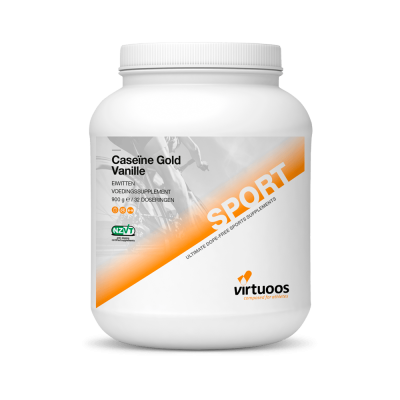
Whey protein is digested quickly by the body, making it ideal after training or competition when you want to support recovery. Casein protein is digested more slowly, making it suitable for consumption before going to bed. This way, your muscles are supplied with building blocks throughout the night to support optimal recovery.
Is a protein supplement necessary?
Protein supplements are certainly not essential, but they can be a convenient way to increase your protein intake.
By having a protein shake immediately after training or competition, you can easily get a good amount of high-quality protein. This allows you to provide your body with the building blocks it needs and optimally support muscle recovery and growth.
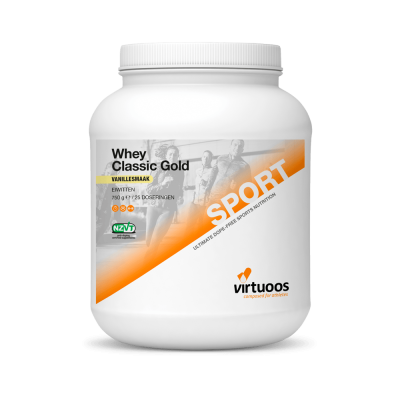
Our bestseller: Whey Classic Gold
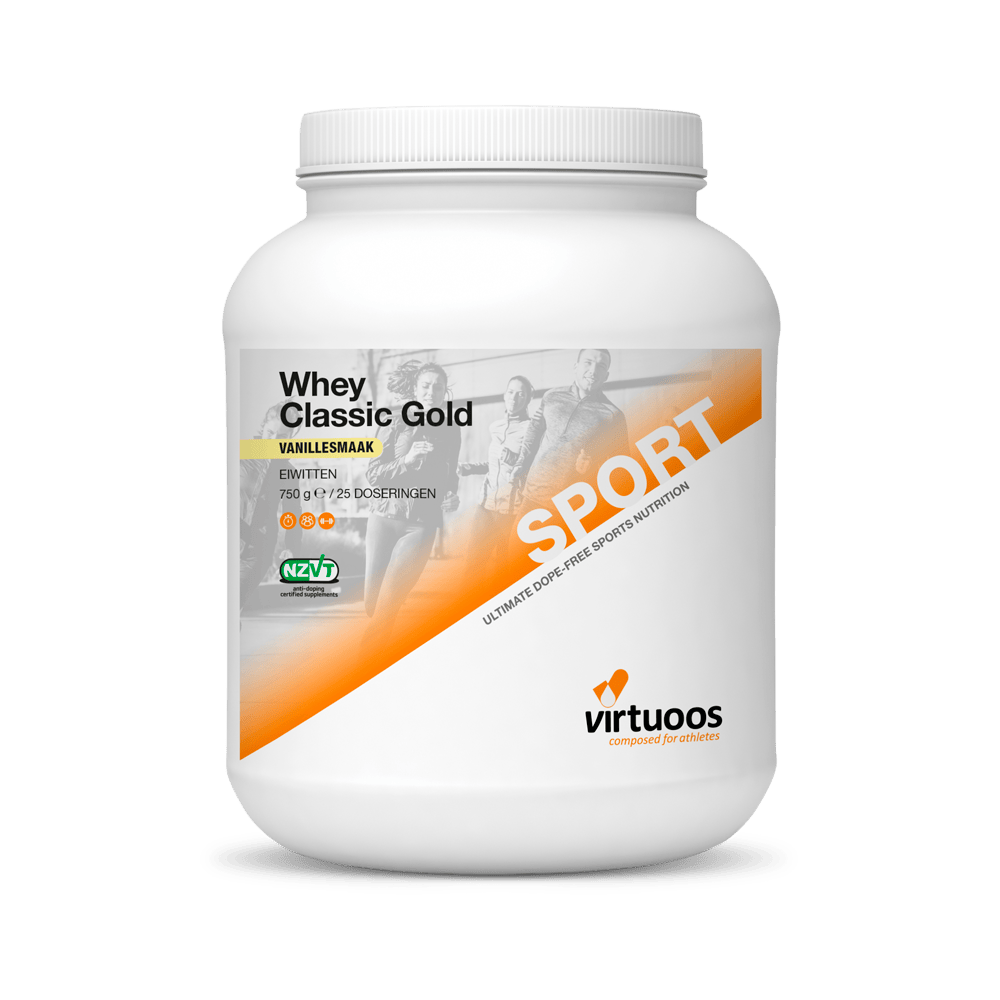
- 23 g whey protein per shake
- 3 g leucine and more than 5 g BCAAs
- Easy to mix with water, (plant-based) milk or in your smoothie or oat meal