The Marathon as the Ultimate Puzzle: Jill Holterman on Training, Nutrition and Mental Strength
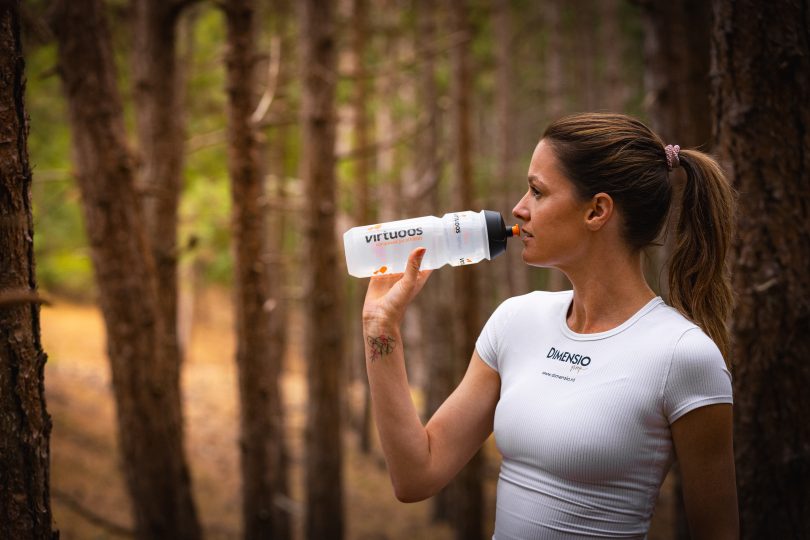
What started with an athletics day at school grew into a career as a full-time professional athlete. For Jill Holterman, a marathon is the ultimate puzzle: spending months of work on every detail to make sure everything comes together in one speical day. With 150 to 180 kilometres per week and the Valencia Marathon at the horizon, Jill talks about her journey to professional sport, the mental side of marathon running, and the role of nutrition, recovery and routines.
1. First of all, how are you doing? How is your season going, and what are you most looking forward to in the coming months?
I’m doing well! After a somewhat difficult first part of the year due to some injuries, I’m now training well and kicked off my season with a bronze medal at the Dutch 10K Championships. I’m most looking forward to the Valencia Marathon on December 6th!
2. How did running come into your life, and how did it eventually develop from a hobby into a professional career alongside your work as a lawyer?
I started athletics after taking part in an athletics day at school. Every year, I became a little more serious about it, while also studying and working as a lawyer. On September 1st 2019, I decided to change course and became a full-time professional athlete.
3. What still makes running long distances and marathons so special to you?
Preparing for a marathon is like putting together a puzzle, trying to fit all the pieces together. When it works and you see months of preparation come together… that’s magical.
4. What does a typical training week look like when you’re preparing for a marathon?
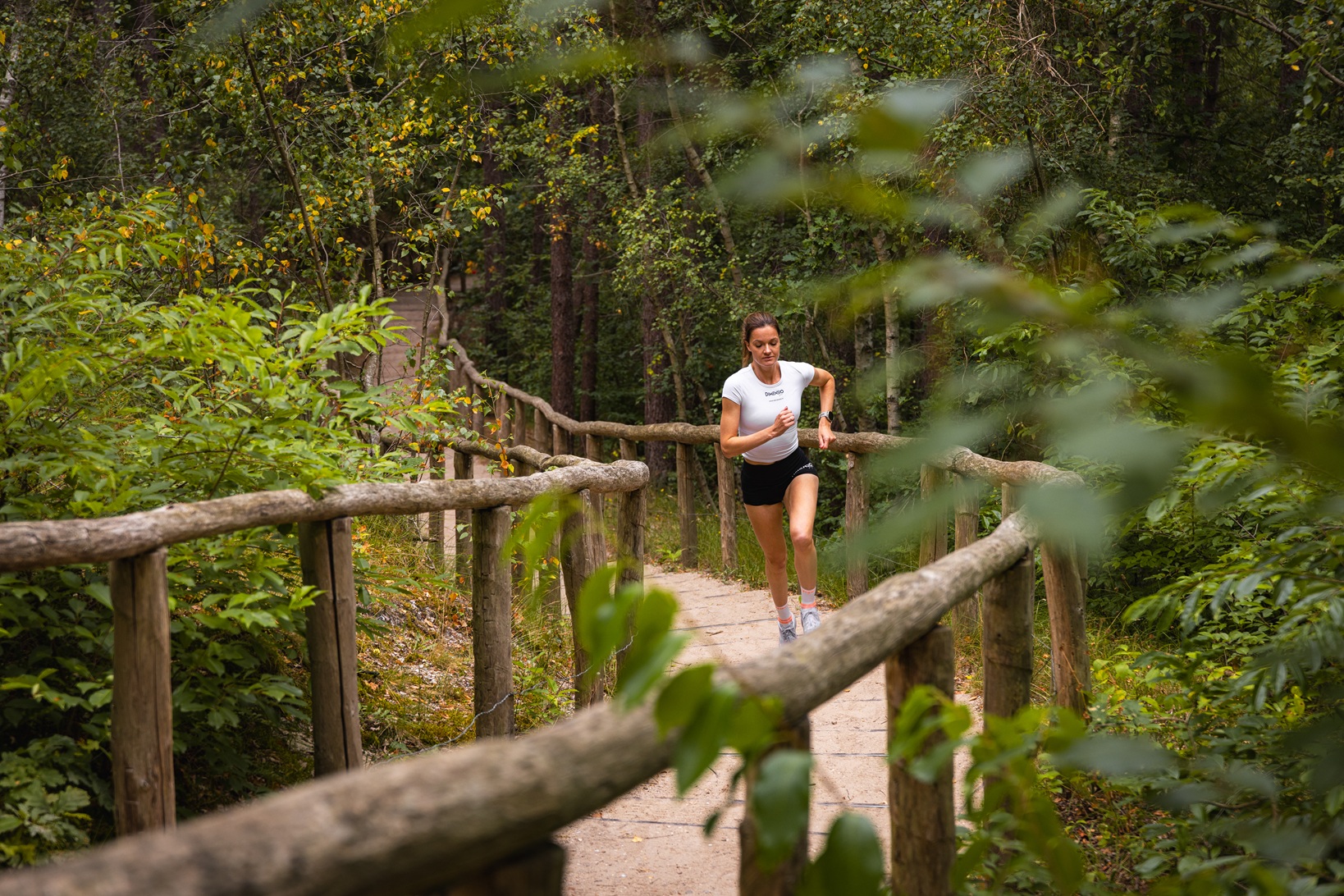
Not every week is the same, but in terms of distance, I run between 150 and 180 kilometres. This includes a progressive long run or a long run with marathon-pace blocks, as well as two tempo sessions at a pace faster than marathon pace. The rest of my training consists of easy runs, one or two strength sessions and strides.
Want to see more of Jill? Follow her on Instagram!
5. A marathon requires a lot physically, but also mentally. How do you train yourself to keep going when things get difficult?
Over the past few years, I found support from a sports psychologist, which has helped me a lot. Through mindfulness exercises, I train myself to deal with the negative thoughts that inevitably come up during a race.
6. Do you have any routines or habits that help you prepare for an important race? Think about your nutrition, breakfast, warm-up or supplements, for example.
I like to stick to my routine to minimise the number of decisions I have to make on race day.
Things will never go exactly as planned, but having a routine helps to create structure.
Jill Holterman
Long distance runner
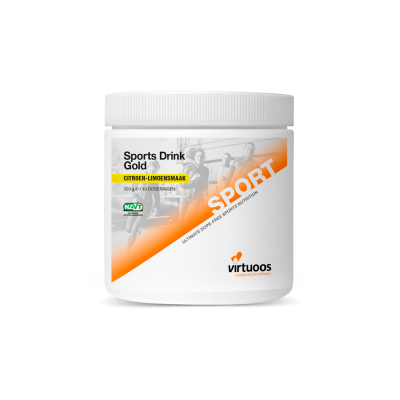
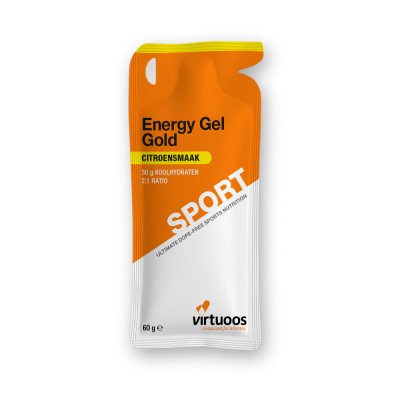
I have white bread with jam and/or fruit sprinkles, along with coffee, for breakfast. During my warm-up, I take a gel and caffeine, and during the race I have sports drink every 5 kilometres.
7. How do you approach nutrition and hydration around a long run or marathon? Does your strategy change as a race gets closer?
I train myself to take in sports nutrition every 5 kilometres by drinking sports drink. I aim for around 90 grams of carbohydrates per hour and practise this during my long runs as well, to train my stomach to handle it.
During training, I try to do as much as possible the same way I will during the race, so that I’m used to it by the time I run the marathon. Of course, I never try anything new on race day.
8. Recovery is just as important as training. What does your ideal recovery day look like, and what role do nutrition and supplements play in it?
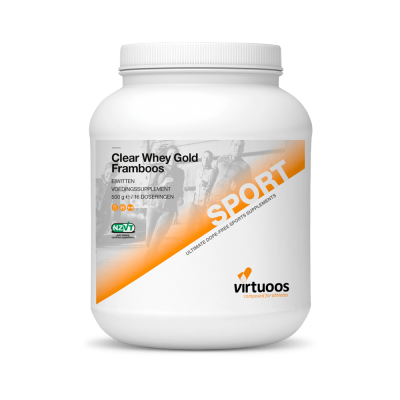
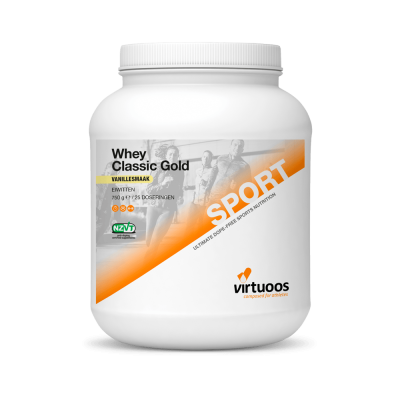
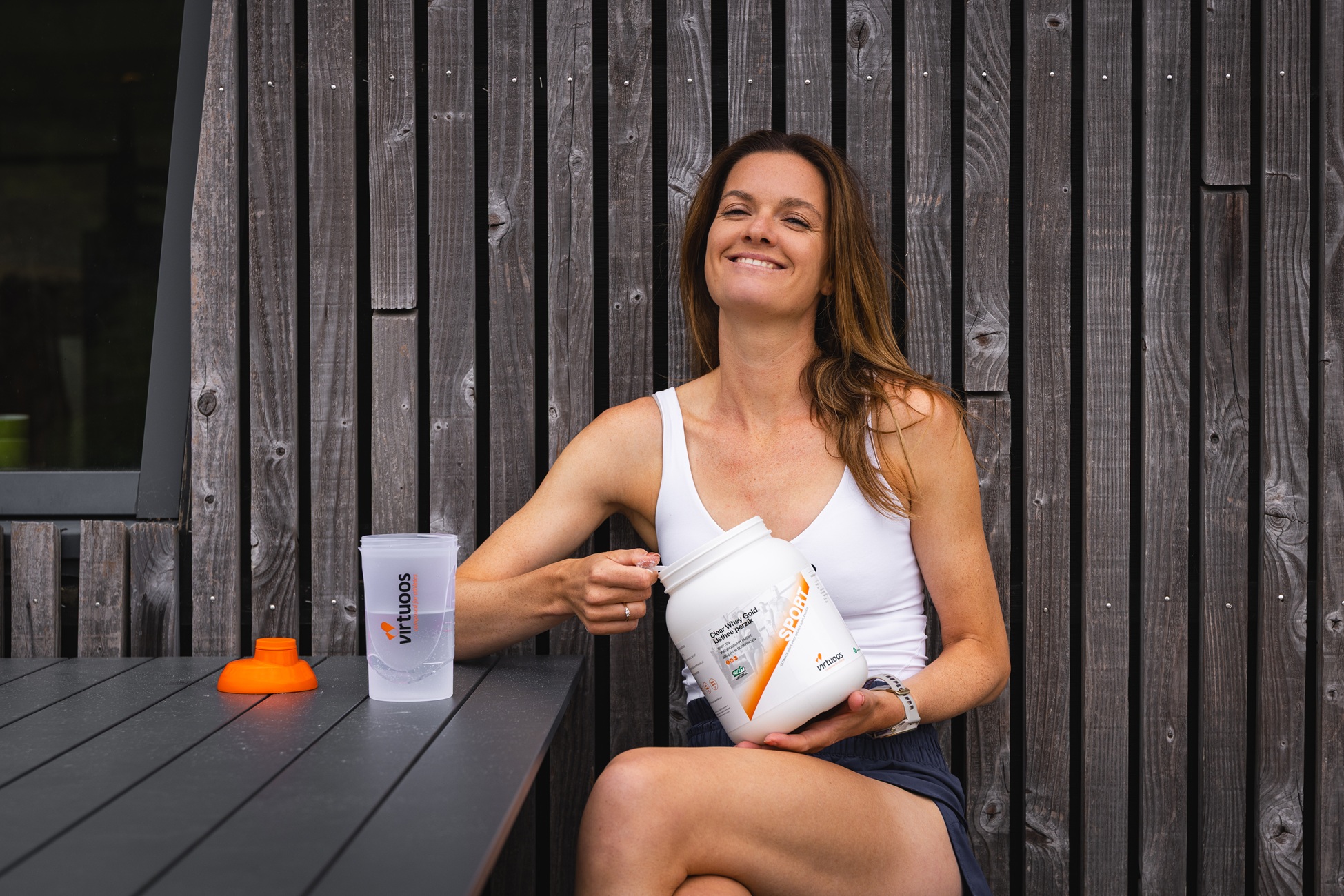
After a hard training session, the first thing I have is a Whey shake. When it’s warm, I often choose Clear Whey Gold because it’s more refreshing and helps satisfy my thirst. On a recovery day, I like doing something fun with friends or relaxing at home with Ronald and my dog, Fay.
9. When you’re not training, what gives you energy? And does that help you maintain balance alongside your life as a professional athlete?
Coffee dates with friends, going to the cinema or going out for dinner with Ronald.
10. We’d like to finish with a personal favourite: what’s your favourite breakfast, lunch, dinner or snack after a training session? And would you like to share the recipe with us?
Whey milkshake: 1 banana, a handful of frozen mango, one scoop of Whey Classic Gold Vanilla, 300 ml oat milk and one tablespoon of desiccated coconut. Blend everything together and you’ve got a delicious recovery shake!