The benefits of magnesium for cyclists

Magnesium is one of the most popular supplements among cyclists. But what does magnesium do? Which foods contain magnesium? And what should you look for if you are considering using a magnesium supplement as a cyclist? Below, you will find everything you need to know about this important mineral as a cyclist.
What is magnesium?
Magnesium is an essential mineral that is involved in many processes in your body. Our bodies contain around 25 grams of magnesium, most of which is found in the bones and muscles. Because our bodies cannot produce magnesium themselves, it is important to get enough of this mineral through your diet.
Important functions of magnesium for cyclists
Magnesium is not only important for staying fit and healthy. It also plays an important role when you are on the bike. Magnesium is involved in energy production during cycling and contributes to normal muscle function. In addition, magnesium is important for maintaining a good electrolyte balance and supports your energy levels. This can be especially useful during intense rides in warm weather, from training camps in Mallorca to a summer group ride through the Dutch countryside. Finally, magnesium contributes to normal protein synthesis, which makes it relevant to your recovery after training.
Which foods contain magnesium?
Magnesium can be found in many different foods, including green leafy vegetables, nuts, seeds, meat, fish, dairy products and whole grains. By including these foods in your daily diet, you can already get a good amount of magnesium.
How much magnesium do you need as a cyclist?
The recommended daily intake of magnesium is 300 mg for women and 350 mg for men (1). It is difficult to determine whether you are getting enough magnesium. A deficiency is not easy to identify through a blood test, as only around 1% of the body’s total magnesium is found in the blood.
Especially if you exercise regularly, it is worth paying attention to your magnesium intake. Your magnesium requirements may be higher as an athlete (2). Athletes can lose more magnesium through sweat and urine (3). A magnesium deficiency may potentially be associated with symptoms such as fatigue, muscle cramps and reduced muscle strength.
Magnesium supplements for cyclists: What should you look for?
Magnesium Bisglycinate
A good magnesium supplement can help you easily increase your daily magnesium intake. This can be useful if you exercise frequently or experience fatigue.
There are different forms of magnesium available in supplements, including organically and inorganically bound magnesium. Organic forms such as citrate and bisglycinate appear to be better absorbed by the body and are therefore suitable for use as a supplement. Absorption takes place in the small intestine.
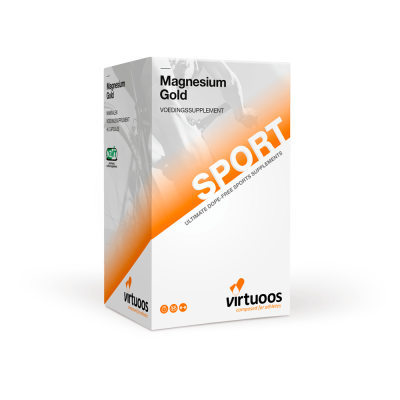
Magnesium bisglycinate is recognised by the body as an amino acid, meaning it does not have to compete with other minerals for absorption. It is therefore considered one of the most readily absorbed forms of magnesium (2, 4). Virtuoos Magnesium Gold contains 375 mg of magnesium bisglycinate per daily serving of 2 capsules.
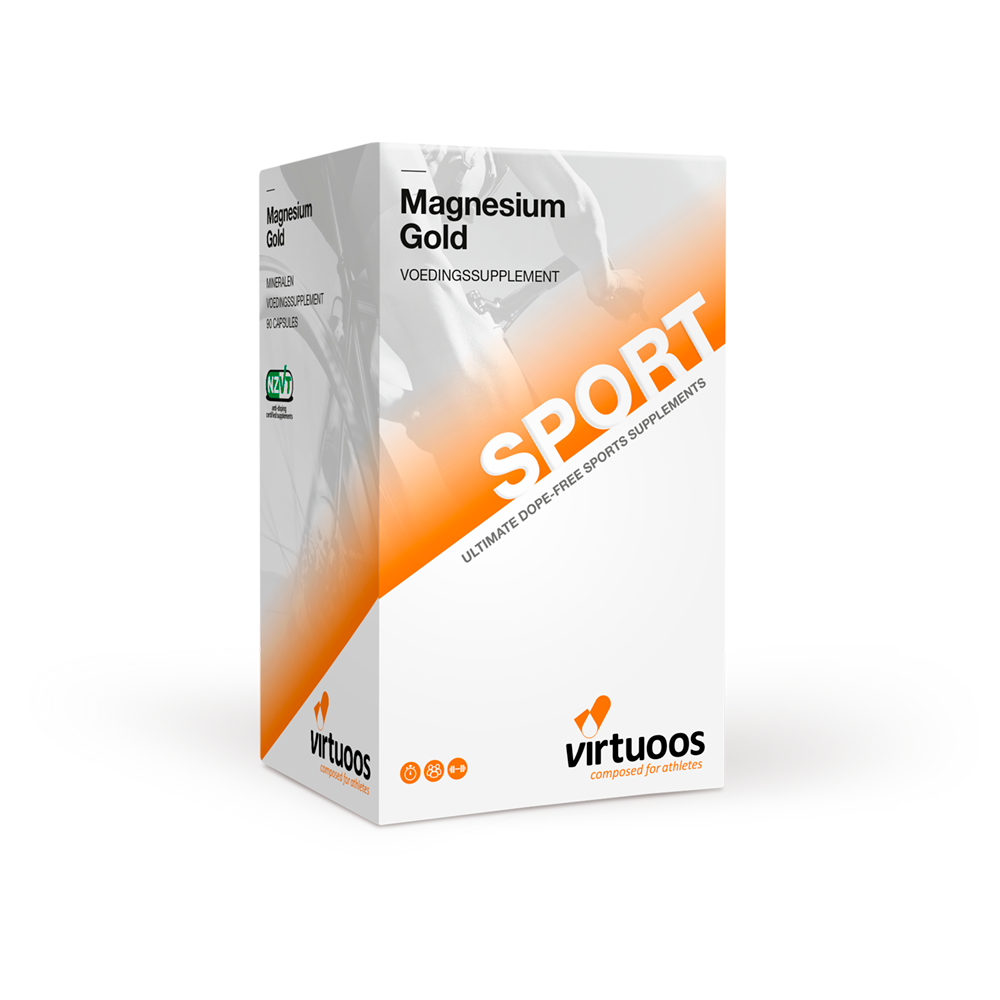
When to take it: Preferably take a magnesium supplement after exercise or before going to bed.
Magnesium supplements among professional cyclists
Magnesium supplements are also used by professional cyclists. Among others, the riders of Alpecin Premier-Tech, Lotto-Intermarché and SD Worx – ProTime choose Magnesium Gold by Virtuoos.

Sources
- https://www.voedingscentrum.nl/encyclopedie/magnesium.aspx
- Fine, K. D., Santa Ana, C. A., Porter, J. L., & Fordtran, J. S. (1991). Intestinal absorption of magnesium from food and supplements. The Journal of clinical investigation, 88(2), 396-402.
- Laires, M. J., Monteiro, C. P., & Bicho, M. (2004). Role of cellular magnesium in health and human disease. Frontiers in Bioscience-Landmark, 9(1), 262-276.
- Philipp Schuchardt, J., & Hahn, A. (2017). Intestinal absorption and factors influencing bioavailability of magnesium-an update. Current Nutrition & Food Science, 13(4), 260-278.