Fuel Guide for Cyclists
A good nutrition strategy can make the difference between finishing strong or running out of steam in the final stages. But what do you eat and drink before and during a time trial or long race? For this Fuel Guide, we spoke with Britt Lambrecht, nutritionist at Lotto Intermarché. She shares her practical insights on nutrition around time trials and long races, from the last meal before the start to 90–120 grams of carbohydrates per hour and recovery after the finish.
1. In your opinion, what is the most important rule for a good nutritional strategy during a cycling race?
The most important thing is that the nutritional strategy during a race is as structured as possible. A common mistake is that riders eat too little at the start of the race or simply forget to eat. Especially during hectic moments, nutrition can quickly take a back seat, meaning the rider is more likely to face an energy deficit later in the race.
That is why, at Lotto Intermarché, we work with a clear nutrition plan on the bike. For example, the rider receives a stem sticker indicating when and what he or she needs to eat. Additionally, a notification can be set on the Garmin every 15 minutes as an extra reminder to keep eating and drinking regularly.
The timing of caffeine and sodium bicarbonate is also very important and is adjusted according to the course of the race. For example, if a rider wants to join an early breakaway from the start, or if the race starts immediately uphill, caffeine and bicarbonate will be taken before the start. In other races, timing later may be more beneficial.
The most important rule therefore remains simple: fuel early, fuel consistently.
Britt Lambrecht
Performance Nutritionist Lotto Intermarché
2. What does the ideal nutrition look like in the 24 hours before a time trial or long race? Are there major differences?
For a time trial, the day before the race, we primarily want to ensure the rider fully replenishes their energy reserves without deliberately carb-loading. The focus is on proper hydration and easily digestible food. Therefore, we mainly choose foods that digest quickly, such as white rice, white pasta, and white bread, and limit raw vegetables and other fiber-rich products, for example.
The biggest difference compared to a long road race is that for a time trial, the entire nutrition and supplement strategy must be fully in order before the start. Caffeine, bicarbonate, and a beetroot shot are strategically planned in advance. During the time trial itself, depending on the duration, little to no food intake is often required.
Additionally, we pay extra attention to stomach comfort during a time trial. Due to the aerodynamic and relatively enclosed position, a full stomach can cause discomfort more quickly. Therefore, we want the rider to be well-nourished, but with a stomach that is as comfortable and relatively empty as possible.
For a long race, the emphasis in the 24 hours leading up to it lies more on maximizing carbohydrate availability. Depending on the duration and intensity of the race, however, deliberate use of carb loading can be made during this period.
3. What do you advise a rider to eat and drink in the final hours before the start?
The last hours before the start we focus primarily on good hydration. For most riders this will mainly be water. Depending on the weather conditions, the individual sweat profile and possibly a urine test, a hydro tablet or extra electrolytes can also be added.
In addition, further replenishing the carbohydrate supply is crucial. For a road race, we usually plan the last big meal about 3 hours before the start. In a time trial, especially in view of stomach comfort and the aerodynamic position, this can be earlier 4 hours before the start.
For professional cyclists, this meal is often a breakfast, consisting of easily digestible carbohydrates with a limited amount of proteins. Examples are:
- Bread with jam, honey or banana and an egg;
- Rice porridge with rice milk, supplemented with bread with sweet toppings and an egg;
- Overnight oats with bread and sweet fillings;
- Pancakes with skyr and bread with sweet toppings.
After this meal, the rider continues to drink regularly, and we provide a small snack of approximately 30 g of carbohydrates about 2 hours before the start. Example: 2 slices of gingerbread, 1 slice of bread with jam, 1 large banana.
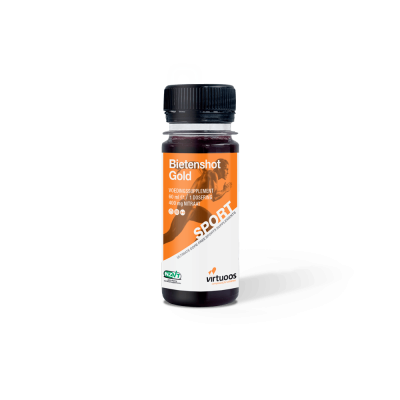
Supplements are also timed carefully. For a road race, we administer a beetroot shot about 2 hours before the start. For a time trial, we schedule this earlier, usually 3 to 4 hours before the start. In this regard, the timing and the effective nitrate dose are particularly important.
Around nitrate intake, we prefer to avoid antibacterial mouthwash, because oral bacteria play an important role in the conversion of nitrate to nitrite.
4. How does the nutrition strategy during a time trial differ from that of a long road race or gran fondo?
During a time trial, the emphasis lies primarily on what happens before the start. The rider must have eaten enough, be well hydrated, and stand at the start line with a comfortable stomach. Because a time trial is usually relatively short and ridden at high intensity, little to no nutrition is often required during the effort itself. For longer time trials, a small amount of carbohydrates may be provided via a drink or gel, but stomach comfort and aerodynamics remain important.
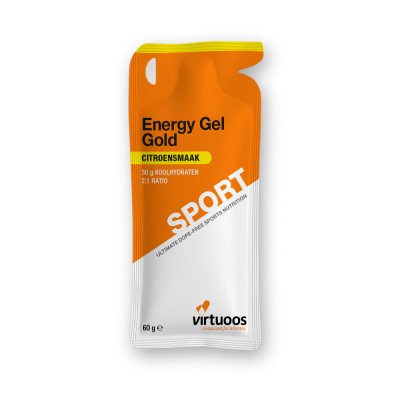
In a long road race or granfondo, nutrition during the effort is much more important. There, the rider must regularly replenish carbohydrates from the start to conserve glycogen stores as much as possible and keep energy levels stable. Depending on duration, intensity, and tolerance, this can amount to approximately 90–120 g of carbohydrates per hour. This is distributed across sports drinks, gels, bars, rice cakes, or other easily digestible products.
Hydration also plays a greater role during a long race. The amount of fluids and electrolytes is adjusted based on temperature, sweat loss, and individual needs. It is beneficial for cyclists to determine their sweat rate during training or, when pursuing major goals, to undergo a hydration test in a laboratory.
The main difference is therefore: in a time trial, the strategy must be perfect, especially before the start; in a long race, you must keep eating and drinking continuously during the race to support the performance until the end.
Britt Lambrecht
Performance Nutritionist Lotto Intermarché
5. There is increasing talk about 90 to 120 grams of carbohydrates per hour. For whom is that achievable, and how do you determine the right amounts and timing?
Those 90 to 120 grams of carbohydrates per hour are often necessary for professional riders during long and intensive races. For a recreational athlete, this is certainly not a requirement. A lower carbohydrate intake can suffice perfectly well, depending on the duration and intensity of the effort.
The correct amount depends primarily on the duration and intensity of the race, the rider’s level, and the individual tolerance of the gastrointestinal system.
It is important not to simply switch from 60 to 120 g of carbohydrates per hour on race day. The gut needs to be trained for this. We therefore build up carbohydrate intake gradually during training and observe how the rider reacts. Stomach complaints, bloating, or nausea are signals that the quantity, timing, or choice of products needs to be adjusted.
With high intakes, we use various carbohydrate sources, primarily glucose or maltodextrin in combination with fructose. This allows larger amounts of carbohydrates to be absorbed and oxidized than when only a single carbohydrate source is used.
For intakes of around 90 g carbohydrates per hour, a ratio of approximately 2:1 glucose/maltodextrin to fructose is traditionally the best substantiated. When moving towards 100–120 g per hour, ratios such as 1:0.8 or 1:1 are also used. Which ratio works best at such high intakes is less straightforward and must primarily be tested individually for each rider.
Timing is also important. We do not want to wait until the rider gets hungry or loses energy. Therefore, intake starts from the beginning of the race and is distributed as evenly as possible, for example, a smaller amount every 15–20 minutes.
In short: 90–120 g carbohydrates per hour can be an important part of the nutritional strategy for professional riders, but this must be built up, trained, and tested individually.
6. In your opinion, which combination of (sports) nutrition works best during a long race: sports drinks, gels, bars, or ‘real’ food?
During a long race, a combination of sports drinks, gels, bars, and other solid carbohydrate sources usually works best. There is no single product that is ideal for the entire race.
In the first part of a long race, we more often opt for somewhat more solid food, combined with an isotonic sports drink from the start. Because the intensity is often slightly lower at that point, the rider can usually tolerate solid food better. Think, for example, of an energy bar, homemade rice crispies or bar, or energy chews.
When we are heading towards 90 g of carbohydrates per hour or more, it is important that the combination of carbohydrate sources is also right. Products containing glucose or maltodextrin in combination with fructose are therefore deliberately chosen. Ratios such as 2:1, 1:0.8, or 1:1 can be used, depending on the total carbohydrate intake and what the rider tolerates best individually.
As the race progresses and the intensity increases, we increasingly switch to easily and quickly absorbed carbohydrates, such as gels and sports drinks. Especially towards the finish, we want to keep the strain on the stomach as low as possible, and the rider must be able to consume his carbohydrates quickly and easily.
The ideal combination is therefore usually: more solid food early in the race, supplemented with a sports drink, and towards the finish, increasingly more gels and liquid carbohydrates. Ultimately, the most important thing remains that the planned hourly carbohydrate intake is achieved and that all products and quantities have been tested in training beforehand.
7. What are the most common dietary mistakes you see among avid amateur cyclists?
The most common mistake made by avid amateur cyclists is eating too little during exertion. Many recreational riders underestimate how many carbohydrates they need, especially during longer rides or races. They often only start eating when they get hungry or when their legs start to feel weaker, by which time it is actually already too late.
A second common mistake is drinking too little or drinking too much without sufficient electrolytes, especially in warm weather. Hydration must be tailored to individual sweat loss and the conditions.
In addition, I often see amateurs suddenly trying new gels, supplements, or very high amounts of carbohydrates right before an important race. Just like your training, you need to practice a nutritional strategy in advance. Especially when you are aiming for 90g of carbohydrates per hour or more, the gastrointestinal system needs to be accustomed to this.
Nutrition off the bike is also sometimes underestimated. Some fanatical amateurs train a lot but consume insufficient carbohydrates or total energy throughout the day. As a result, they start training sessions not fully replenished, and recovery is also less effective.
Finally, there is sometimes too much focus on supplements and too little on the basics. Sufficient energy, carbohydrates, and fluids, combined with good timing, are more important than any supplement whatsoever.
In short: eating too little and too late, underestimating hydration, not training what you want to use in competition, and expecting too much from supplements.
8. How are supplements such as caffeine, beetroot juice, sodium bicarbonate, and beta-alanine used in time trials and long races?
Performance-enhancing supplements can certainly play a role, but they are always a supplement to a good basic diet, carbohydrate strategy, and hydration. Moreover, which supplements are used depends on the type of exertion.
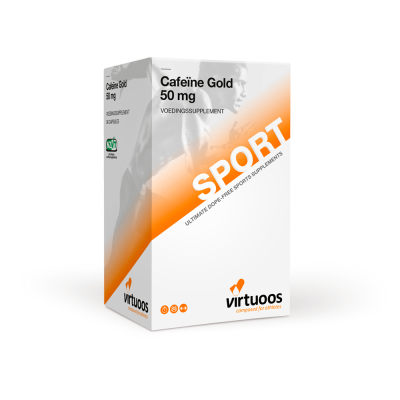
For a time trial, caffeine, beetroot juice (nitrate), and sodium bicarbonate are particularly interesting. Caffeine helps increase alertness and contributes to a reduced feeling of fatigue during exercise1.
When using caffeine, beetroot juice, and sodium bicarbonate, timing, dosage, and individual tolerance are important considerations. It is especially important to take this into account with sodium bicarbonate, as otherwise it can cause gastrointestinal issues.
In long races, caffeine remains interesting, but the timing is mainly around crucial moments in the race. We do not necessarily have to administer everything right before the start; caffeine can, for example, also be used later in the race towards the finish, when fatigue increases. Nitrate is usually taken beforehand, both for time trials and for longer efforts.
Beta-alanine is used differently from other supplements. You do not take it just before a competition, but rather daily for several weeks. It is primarily used around efforts and competition situations involving repeated or prolonged high intensity. It is used less frequently for very short or purely aerobic efforts.
Importantly, we never simply introduce supplements on competition day. Dosage, timing, and tolerance must be tested beforehand during training. Additionally, for competitive athletes, we use only products that have been tested for banned substances.
9. What does a good recovery protocol look like in the first few hours after strenuous exercise?
The first few hours following strenuous exercise focus primarily on three things: replenishing carbohydrates, consuming sufficient protein, and restoring fluid balance.
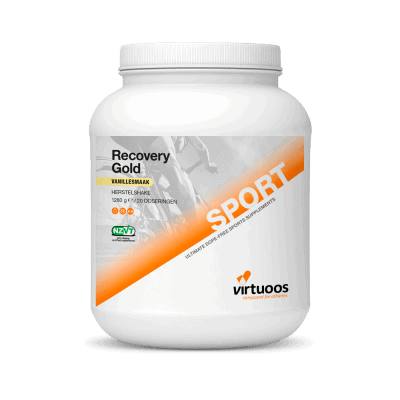
Immediately after arriving, the Lotto Intermarché riders first consume cherry juice containing approximately 100 mg of anthocyanins. These mainly contain polyphenols and anthocyanins from tart cherries, which can support muscle recovery and potentially reduce inflammatory responses following strenuous exercise. This is followed by a Recovery Gold shake, ensuring that we replenish carbohydrates and proteins as quickly as possible after the exertion and immediately kickstart the recovery process.
Next, the rider receives a complete recovery meal, built around a generous carbohydrate source, such as pasta or rice, combined with a high-quality protein source such as chicken, salmon, or tuna. Depending on the schedule and the demands of the following day, the amount of carbohydrates is adjusted accordingly.
Rehydration is also an important part of recovery. Lost fluids and sodium must be replenished. Where possible, we take individual sweat loss and weather conditions into account. Especially in warm conditions or with significant fluid loss, a drink with extra electrolytes may be advisable.
The goal is therefore to start recovery immediately after the finish and then continue to build on replenishing energy reserves, muscle recovery, and hydration through a complete meal.
10. If you were to create a ‘fuel guide’ for every cyclist, which five practical pieces of advice would absolutely have to be included?
- Start well-nourished and hydrated. Ensure your carbohydrate stores are well replenished before the start and choose easily digestible food in the final hours. Drink plenty of water and, if necessary, add electrolytes in case of heat or high sweat loss.
- Start fueling from the very beginning of the race. Do not wait until you get hungry. During long and intense races, carbohydrate intake for well-trained riders can reach 90–120 g per hour. Distribute this evenly throughout the race and train your gut for this in advance.
- Combine different forms of sports nutrition. For example, use isotonic sports drinks, energy bars, Rice Krispies bars, or chews during the first part of a long race. As the intensity increases, switch more to gels and liquid carbohydrates. When consuming high amounts of carbohydrates, ensure a suitable combination of glucose/maltodextrin and fructose.
- Use supplements strategically and with the right timing. Caffeine, nitrate from, for example, a Beet Shot Gold, sodium bicarbonate, and beta-alanine can support performance, but only when dosage, timing, and tolerance are right. Always test supplements on training beforehand and use verified products.
- Start your recovery immediately after the finish. Replenish fluids, carbohydrates, and proteins as quickly as possible. For example, cherry juice first, followed by a Recovery Gold shake, and followed by a complete recovery meal with sufficient carbohydrates and a high-quality protein source.
I would summarize the common thread of the guide as: fuel before you need it, train your nutrition strategy like you train your legs, and start recovery immediately after the finish.